
When a Brand Campaign Quietly Hurts the Shop Floor: A Warning for Dubai Retailers
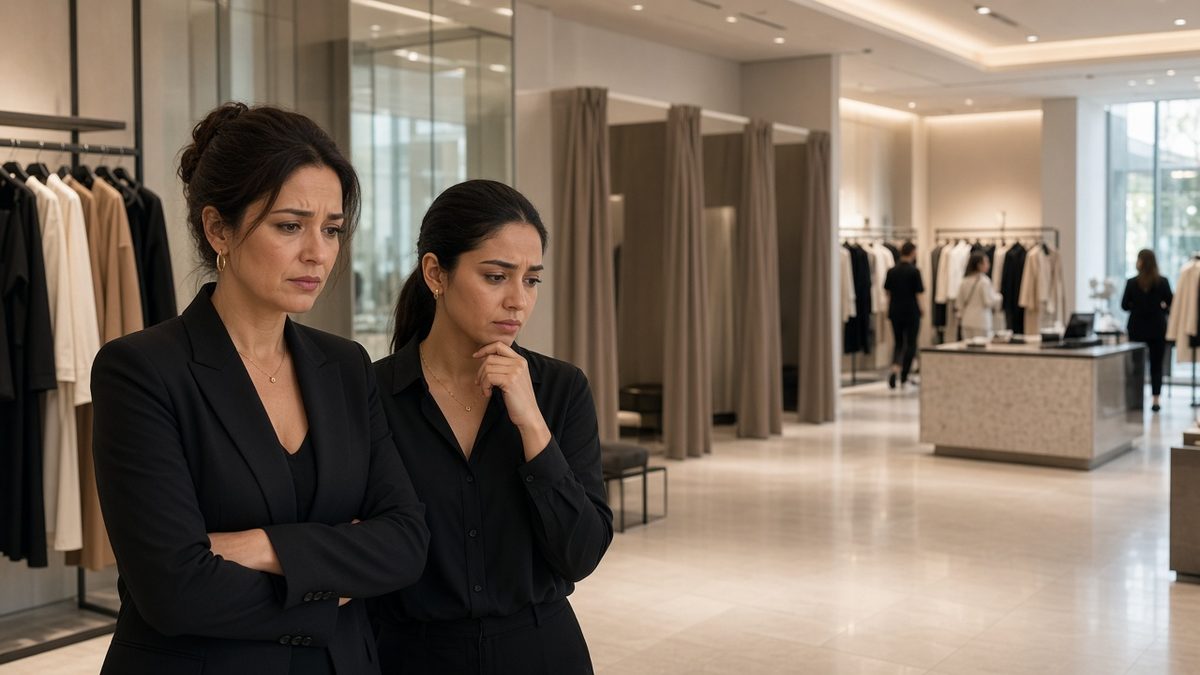
Retail Dive reported this month that a shake-up at Old Navy was continuing amid merchandising struggles. The detail that matters for Dubai is not the company or the country. It is the pattern: when a brand’s marketing and its merchandise drift apart, the shop floor is where the problem shows first.
We will not borrow anyone’s numbers, and we are not suggesting the same thing is happening to any retailer in the UAE. But the lesson is practical for retail branding in Dubai: a campaign can bring people to the door, and the product on the shelf decides whether they stay. This article sits alongside why full-price stories belong back in the store and how to refresh a house brand without confusing the shopper.

The Gap Between the Poster and the Rail
Every shopper has experienced it. An advertisement promises a certain look, a certain mood, a certain kind of customer. Then the store has a different assortment, a different layout and a different price story. The shopper does not complain. They simply walk out and remember that the brand did not feel like its advertising.
In a market like Dubai, where shoppers move between mega-malls, neighbourhood stores and online without a second thought, that gap is expensive. Footfall is easy to lose and hard to win back.
Signs your campaign and your shelves disagree
- The campaign shows products that are hard to find in store
- Store teams are unsure what the latest campaign is about
- Window displays feature items that are not the best sellers
- The online homepage and the shop floor present different brands
- Promotions overshadow the product story customers came to see
Start With the Product, Not the Mood Board
Retail branding works best when the product leads. Before any campaign is briefed, ask merchandising and brand teams to answer one question together: what do we most want a shopper to pick up in the next three months? The answer should shape the creative, the window, the shelf and the staff briefing.
That joint conversation is often missing. Brand teams think in themes and moods. Buying teams think in ranges, margins and delivery windows. Neither is wrong, but without a shared plan the customer sees a brand talking to itself.

Give store teams a brief they can use
Your colleagues on the shop floor are the final interpreters of the brand. A single-page brief that explains the campaign idea, the three hero products, how to talk about them and where they sit in store turns a marketing concept into daily behaviour. If staff cannot explain the story in a sentence, the shopper will not hear it either.
Make the Store the Proof
The best campaign is one the store can prove. If an advertisement talks about craftsmanship, shoppers should find craftsmanship signs in the product and the display. If it talks about value, the pricing should be easy to read. If it talks about newness, the new arrivals should be unmissable.
Think of the shop floor as the final scene of the campaign. Layout, lighting, signage, fitting rooms and checkout all either carry the idea through or break it. Our guidance on brand positioning for fashion in Dubai shows how a clear point of view makes those decisions simpler.

Check the journey, not only the media plan
Walk your own customer path, from a social post to a click to a store visit to a purchase. Where does the message weaken? Fix the weakest step before adding spend at the top. A modest campaign that feels consistent will often beat a louder one that does not.
A Practical 60-Day Plan for Retailers
- Weeks 1–2: bring brand and merchandising teams together and agree the hero products for the next quarter
- Weeks 3–4: audit window, in-store signage and online homepage against that list
- Weeks 5–6: brief store teams in one page and one short huddle, then walk the floor as a shopper
- Weeks 7–8: review what customers pick up, ask and abandon, and adjust the next campaign accordingly

Frequently Asked Questions
Does this mean we should spend less on brand marketing?
Not necessarily. It means spending in a way that the product and store can support, so the money works harder.
Who should own the alignment between brand and merchandise?
Someone senior enough to bring both teams together. In smaller retailers this is often the founder or general manager.
How do we know if our campaign confuses shoppers?
Ask staff what customers say, watch what gets picked up and compare store feedback with campaign messages. Confusion shows up in questions at the till and in products that are admired but not purchased.
Let the Shelf Back the Story
A brand campaign is a promise. The shop floor is where it is kept or broken. Dubai retailers that bring product, merchandising and marketing into one story will find that the same budget does more, and that customers who arrive for the campaign find a reason to stay for the brand.
Areesto is a Dubai-based branding and marketing agency working with retailers, retail groups and consumer brands across the UAE and the GCC. To align your brand story with what actually happens in store, email office@areesto.com or explore our retail branding services in Dubai.