
More Pieces, More Possibilities: How to Merchandise Maximalism in Dubai Retail
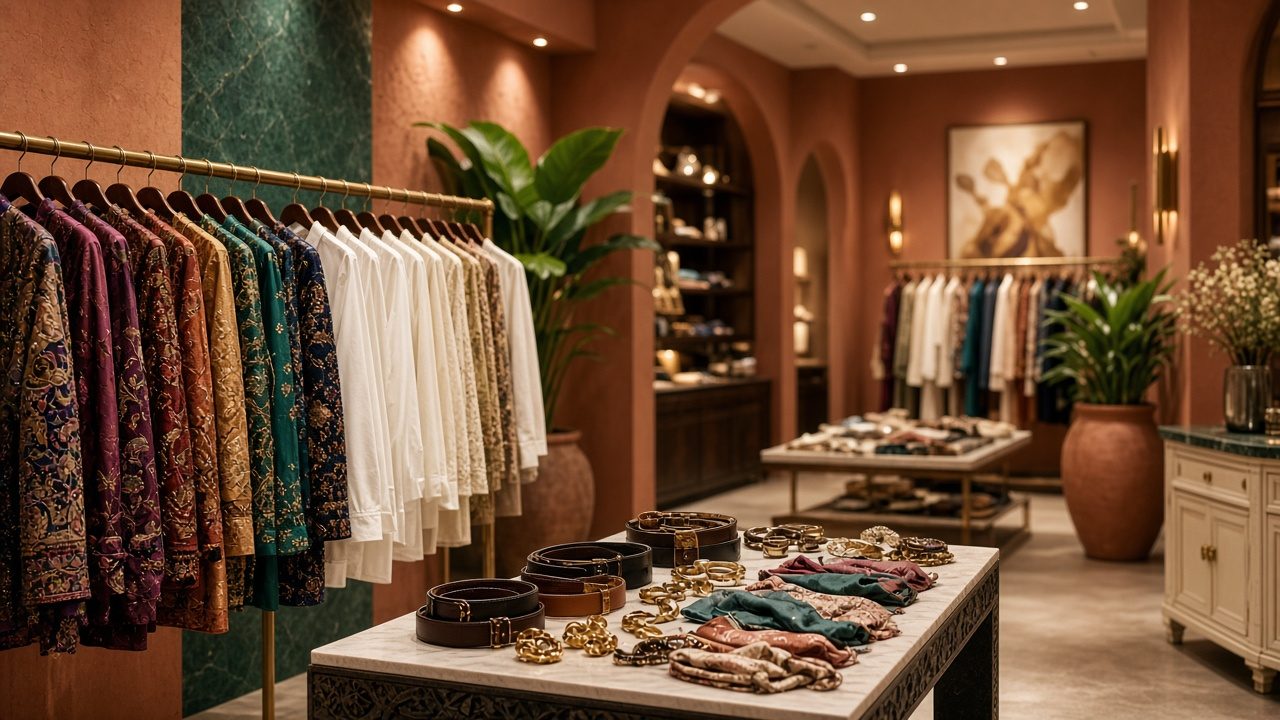
Walk through any of Dubai’s big fashion malls this season and you can feel the mood shifting. After years of beige, cream and carefully neutral minimalism, colour, texture, print and personality are creeping back onto the rails. Beaded tops sit beside crisp white shirts. Scarves become belts. A plain dress suddenly looks new with a chunky necklace and a sculptural bag.
That is exciting for shoppers, but it creates a real puzzle for retailers. Maximalism looks wonderful on a runway or a mood board. On a shop floor, it can easily turn into chaos. Too much choice, too many clashing stories and no clear starting point, and the customer walks out with nothing. This article looks at how fashion retailers in the UAE can merchandise a richer aesthetic so it still feels easy to buy, and why getting it right is as much about retail branding in Dubai as it is about product.
Why “More” Is Back, and Why It Needs a System
A recent Vogue Business piece, More Pieces, More Possibilities: How to Merchandise Maximalism, described a season in which buyers kept returning to the same idea: looks that are buildable and pieces that are interchangeable, worn together or apart, with a little edge. Even brands known for quiet luxury introduced more colour, craft and detail into otherwise pared-back collections.
The underlying shift is easy to recognise. Many shoppers are tired of pre-packaged aesthetics and identical feeds. They want clothes that slot into what they already own while still saying something personal. They rarely buy the full head-to-toe look exactly as shown. They buy the piece that makes their existing wardrobe feel new.
For a retailer, that changes the job of the store. You are no longer only displaying outfits. You are showing customers how to build, mix and personalise. Maximalism without a system is clutter. Maximalism with a system is possibility.
Signs your maximalist edit is confusing customers
- Shoppers browse for a long time but leave without picking anything up.
- Statement pieces get admired and photographed but rarely bought.
- Staff struggle to explain how items work together.
- Every table and rail tells a different story, so nothing feels like the brand.
- Accessories sit in a separate corner, disconnected from the clothes they should complete.
Think in Building Blocks, Not Finished Looks
The most useful mental model for merchandising maximalism is a set of building blocks. Every edit needs a few dependable foundations, a handful of pieces that add character, and the finishing details that make a look feel personal. When those three layers are clear on the floor, a rich assortment stops feeling overwhelming.
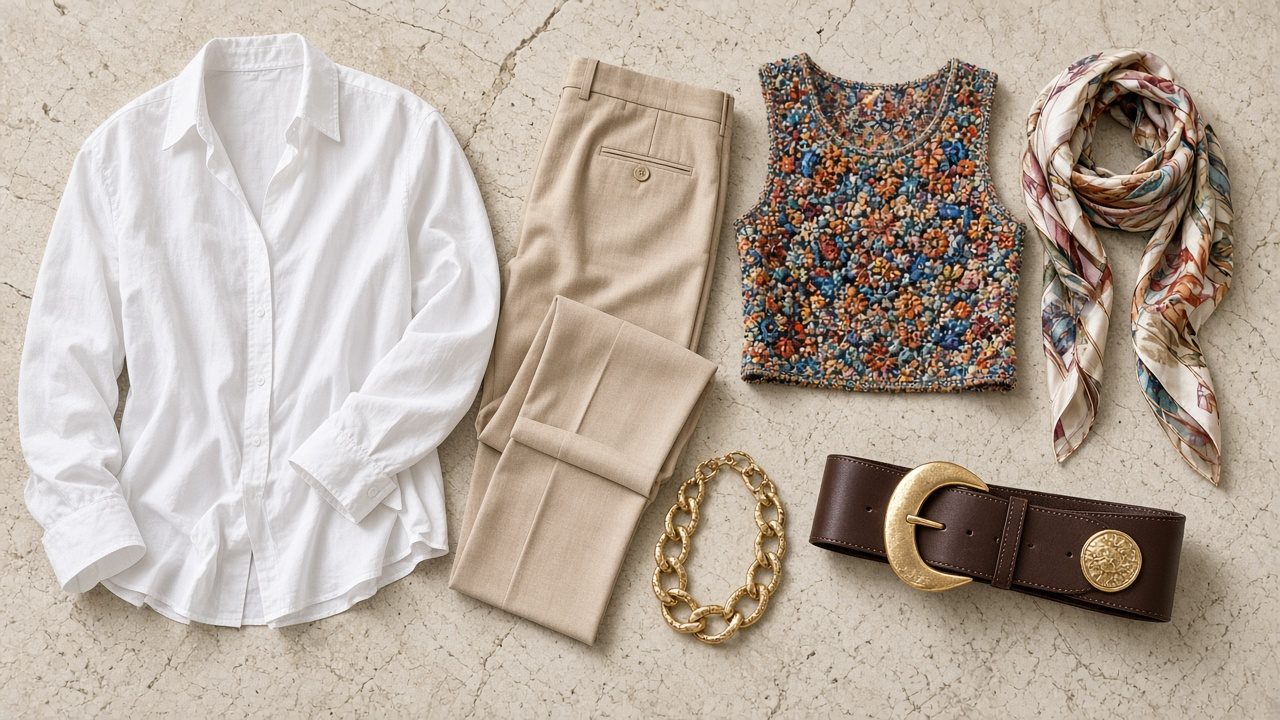
Foundations: the pieces that make everything else wearable
Foundations are the clean shirts, well-cut trousers, simple dresses and easy knits that customers understand instantly. They are not boring. They are the canvas. In a maximalist season, foundations reassure shoppers that they can actually wear the bolder pieces, because they can see what to pair them with.
Character pieces: the colour, print and texture
Character pieces carry the season’s mood: a beaded top, an embroidered jacket, a clashing print, a crochet layer. They are what stop a store from feeling like every other store. Place them where they can be seen from a distance, but always alongside foundations so customers can picture them in real life.
Finishing details: the easiest way in
Belts, scarves, jewellery, small bags and other accessories are often the most approachable entry point to a bolder look. A customer who is not ready for a printed suit may happily try a statement belt or a silk scarf. Treat these details as part of the outfit story, not as an afterthought near the till.
How to Merchandise Maximalism on a Dubai Shop Floor
Dubai shoppers move between enormous malls, intimate boutiques, hotel retail and quick online browsing, often within the same week. The principles below work across those formats, but they should always be adapted to the size of the space and the way your customers like to shop.
1. Build stories around one anchor
Instead of spreading bold pieces evenly across the store, group them into clear stories. Each story starts with one anchor, perhaps a colour, a print or a hero texture, and is surrounded by the foundations and details that make it wearable. Shoppers can then read the floor like a magazine: one idea per page.
2. Show the mix, then show the parts
Style one or two complete looks on a mannequin or a feature wall, then place every component within easy reach. Customers love seeing the full possibility, but most will buy only part of it. Making each part easy to find is what turns inspiration into sales.
3. Edit the colour flow
Maximalism does not mean every colour in every corner. Plan how colour moves through the space, from calmer neutral zones at the entrance or fitting rooms to bolder moments at focal points. A deliberate colour flow lets a rich assortment feel curated rather than crowded.
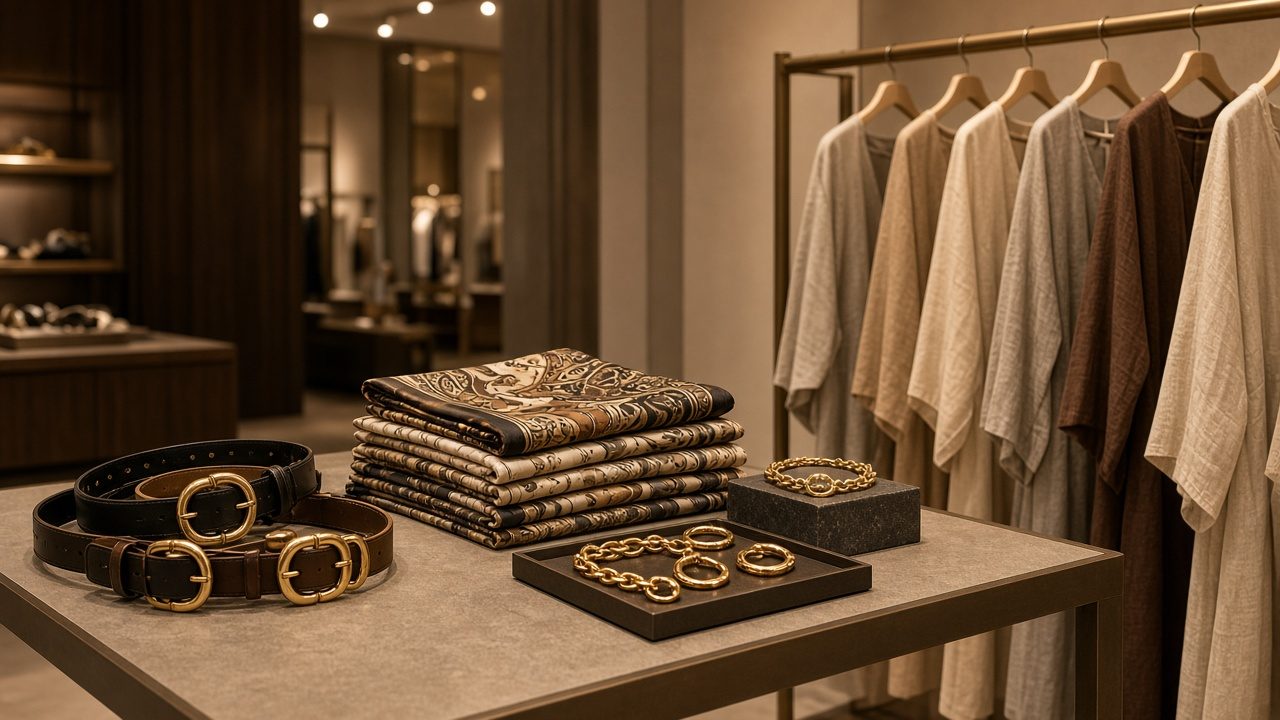
4. Bring accessories to the clothes
Put belts next to the dresses they transform and scarves beside the shirts they finish. Cross-merchandising like this shows customers how a small addition changes a whole silhouette, and it gives store teams a natural reason to suggest one more piece.
5. Give the eye somewhere to rest
Even the boldest store needs pauses: a clean wall, an open table, generous spacing between rails. White space is what makes the statement pieces feel special. Without it, everything competes and nothing wins.
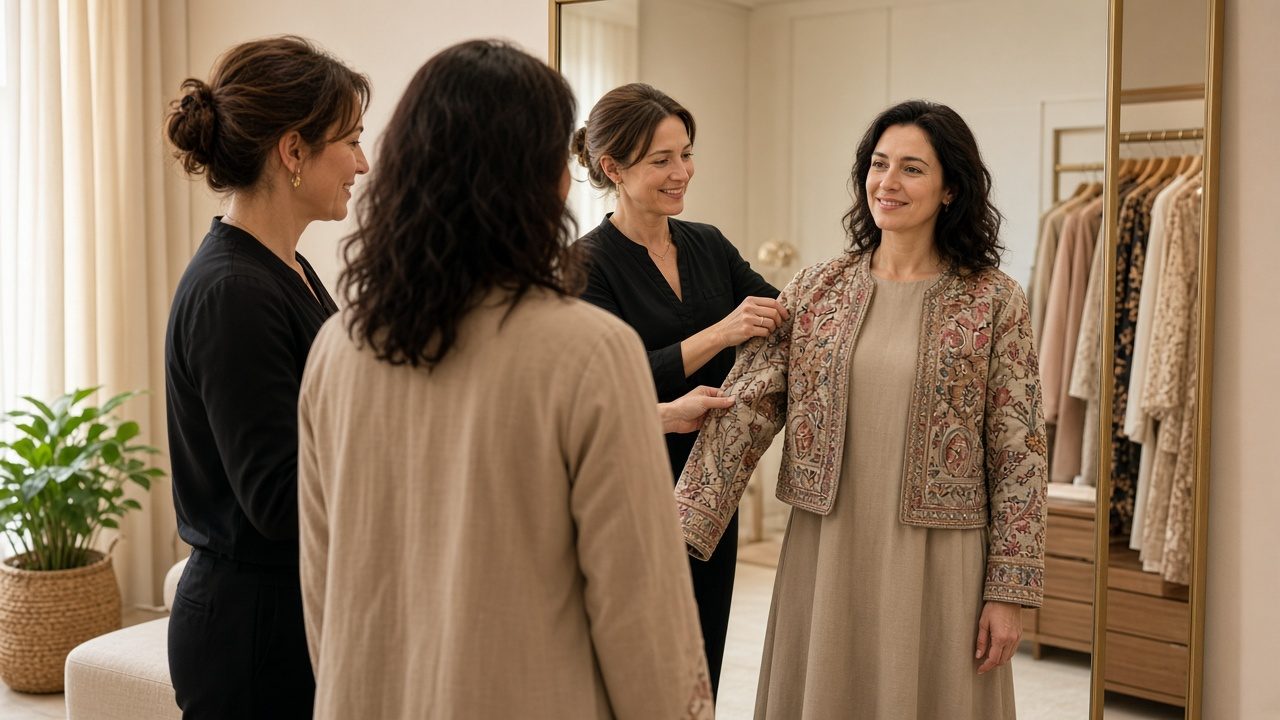
6. Make the fitting room part of the edit
The fitting room is where customers decide. A small selection of complementary details placed inside, or offered by a stylist, invites people to experiment safely. It is also where a maximalist piece most often goes from “interesting” to “mine”.
Retail Branding Is What Holds the Mix Together
Here is the part that is easy to miss. When the product becomes richer and more varied, the brand has to work harder to stay recognisable. If the fixtures, lighting, signage, packaging and staff behaviour all say something different, a maximalist assortment simply looks messy. If they share one clear identity, the same assortment looks confident and intentional.
That is why merchandising maximalism is really a retail branding challenge. Strong retail branding in Dubai gives the store a consistent frame, so the product inside it can be playful without the brand losing its shape. Think of it as a gallery: the walls stay consistent so the art can change.
Elements that keep a rich assortment on-brand
- A defined palette for fixtures and graphics that stays steady while product colours change.
- Lighting that flatters texture and colour instead of flattening everything.
- Clear, minimal in-store messaging so the product does the talking.
- Visual merchandising guidelines that store teams can follow every week.
- Packaging and service rituals that feel like the same brand as the window.
If your brand’s codes are not clearly defined yet, it is worth starting there. A clear identity is the foundation that our branding services are built around, and it makes every merchandising decision afterwards much easier.
Carrying the Story Online and on Social
Most fashion journeys in the UAE now cross channels. A customer might discover a look on Instagram, check it on your website and buy it in a mall, or the other way round. Your maximalist edit should feel just as easy to navigate online as it does in store.
- Show complete looks on product pages, with every piece linked and shoppable.
- Create short styling content that shows one piece worn three different ways.
- Use the same story names and colour stories online that you use on the shop floor.
- Keep product photography consistent so bold pieces still look like one brand.
Short, practical styling content is especially useful here. It answers the question most shoppers silently ask in front of a bold piece: “But how would I wear it?” For a broader view of how fashion labels can build this kind of presence across channels, see our approach to fashion marketing in Dubai.
A Simple Checklist Before Your Next Floor Change
- Have we defined the foundations, character pieces and finishing details in this edit?
- Does each story have one clear anchor?
- Can a customer see a full look and then easily find each part?
- Are accessories placed next to the clothes they complete?
- Is there enough breathing space for statement pieces to stand out?
- Do fixtures, lighting and signage still feel unmistakably like our brand?
- Do store teams know how to explain the mix in a sentence or two?
- Does the online edit tell the same story as the store?
Frequently Asked Questions
Is minimalism over in Dubai fashion retail?
Not at all. Many customers in the UAE still love clean, refined pieces. The shift is towards a more expressive minimalism, with colour, texture and detail layered on top of strong basics. The best edits leave room for both.
Will a maximalist edit work in a small boutique?
Yes, if it is edited tightly. A small space benefits from fewer, stronger stories, more breathing room and very deliberate placement of accessories. In a boutique, one well-styled anchor can do more than a crowded rail.
Where does a retailer start if the store already feels cluttered?
Start by removing rather than adding. Identify your strongest stories, clear space around them and pull accessories back next to the clothes they belong with. Then look at whether your retail identity is clear enough to hold the mix together.
More Pieces, Clearer Choices
Maximalism gives Dubai retailers a chance to feel more personal, more surprising and more fun to shop. The trick is to give customers a clear path through all that possibility: foundations they trust, character pieces they love and details that make it their own, inside a store that feels unmistakably like you. Areesto is a Dubai-based branding agency that helps fashion and lifestyle retailers build that kind of clarity. If you are planning a new store concept or a refresh, explore our retail branding services in Dubai and let’s talk about your next season.