
Airbnb “Belong Anywhere”: Turning a Brand Idea Into a Way of Working

Imagine two listings for the same apartment. The first shows a wide-angle photo of an empty bedroom, a price per night and a list of amenities. The second shows a host setting out tea for a guest who has just arrived, with the evening light coming through the window. Same apartment, same price. Which one makes you feel something?
That difference sits at the heart of Airbnb’s “Belong Anywhere” rebrand. The company reframed its brand from being a place to stay to being about belonging. What makes the case so useful is not the slogan; it is how thoroughly the idea was implemented, from research to symbol to product to the photography on every listing.
In this article we walk through the strategy, the concrete implementation steps, the results the agency reports, and what a Dubai business can learn about rolling out a brand idea from the inside. Airbnb is used purely as a public case study, and there is no relationship between Areesto and Airbnb. For the strategic foundations, read our guide to brand strategy in Dubai.
The Strategy: From a Place to Stay to Belonging
A booking platform naturally talks about inventory: rooms, locations, prices and reviews. That is useful, but it puts the brand in direct competition with every hotel website and booking engine. Price becomes the main reason to choose.
Belonging changes the conversation. It speaks to why people use Airbnb in the first place: to feel at home somewhere new and to connect with the people and neighbourhoods they visit. It is an emotional territory that competitors focused on rooms cannot easily claim.
Step One: Deep Immersion Before Design
The agency DesignStudio, now known as Further, did not start by sketching logos. According to its case study, it embedded itself at Airbnb’s headquarters, interviewed employees in many offices, and stayed with hosts in cities around the world.
This immersion is the foundation of everything that followed. You cannot design for belonging from a meeting room. By living the experience as guests, and by listening to the people who build the product and the hosts who deliver it, the team could find an idea that was genuinely rooted in what Airbnb already was at its best.
For any business, immersion is the cheapest insurance against a brand that looks good but rings false. Talk to staff. Talk to customers. Use your own service as a customer would.
Step Two: A Symbol Anyone Can Draw
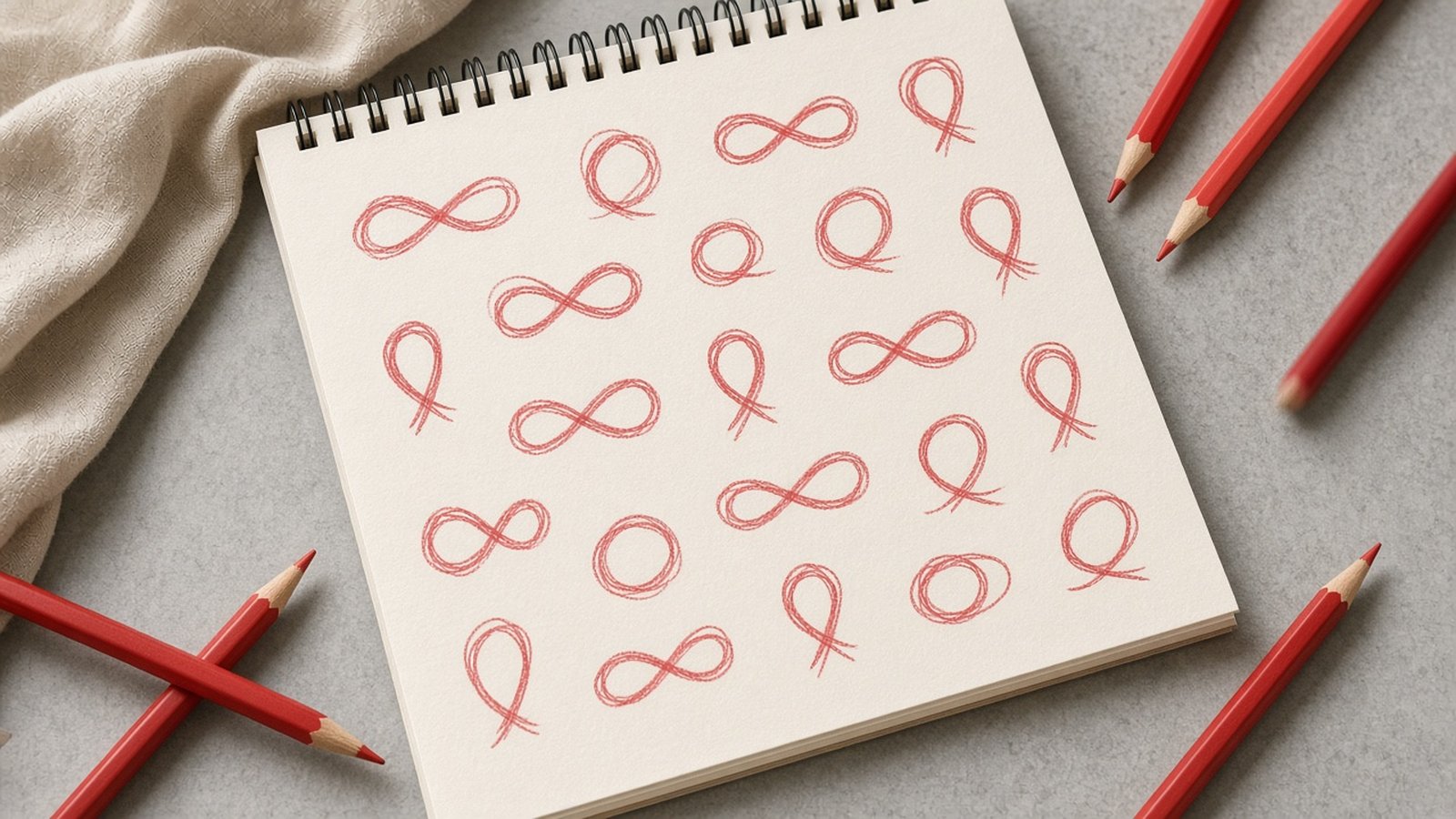
The visible centre of the rebrand is the Bélo symbol, designed so that anyone can draw it. That is a strategic design choice, not a stylistic one. A symbol of belonging should be something people can make their own: sketch on a napkin, draw on a sign, adapt for their home.
It came with a new red palette and the Circular typeface, creating a full visual system rather than a standalone mark.
Step Three: Check the Meaning Globally
For a brand used in many countries, a symbol must be tested for unintended meanings. The case study notes that semiotic checks were made for global audiences. This is a step that small brands often skip and large brands learn to respect. A shape, colour or word that feels positive in one culture can carry very different associations in another.
In a city as international as Dubai, where a single business may serve customers from dozens of nationalities, a quick cultural check before launch is a wise precaution.
Step Four: Launch the Product With the Identity
The rebrand was not just a new logo on the old website. A redesigned web and app experience launched alongside the identity. Airbnb also created a tool hosts could use to customise the symbol, letting the people who deliver the experience take part in the brand directly.
That host tool is a brilliant piece of implementation. It turns brand guidelines into an invitation. Instead of telling hosts what not to do, it gives them a way to express the brand in their own homes.
Step Five: Change the Messaging and Photography
Finally, messaging and photography moved from rooms and price to people and welcome. This is where customers felt the strategy most clearly. Every image and every line now reinforced the idea of belonging instead of the idea of inventory.
This step is often the hardest to sustain because it touches everyday content. It is also the step that makes the strategy visible thousands of times a day.
What Results Were Reported?
According to the agency, the rebrand trended on launch and won awards. The agency also says the idea became an internal decision lens for the business, a way of judging choices by whether they support belonging. These are agency-stated outcomes, not independently audited metrics, and the sources we reviewed give no sales figures.
The internal decision lens is arguably the most valuable result of all. A brand idea that guides decisions keeps working long after the launch campaign ends.
Lessons for Dubai Businesses
The core lesson is to involve staff and customers early so that the rollout is owned internally. Here is how to apply it:
- Spend real time inside your business and with your customers before briefing design.
- Choose an idea that captures your experience at its best, not just your product features.
- Design assets your team and partners can use and adapt easily.
- Check your symbols, colours and words with the cultures you serve.
- Launch the identity together with improvements to your website or app.
- Update photography and copy so every piece of content reflects the idea.
- Use the idea as a filter for decisions, not just for marketing.
This approach suits hospitality and service businesses particularly well. See our positioning guides for hotels in Dubai and beauty salons in Dubai.
If you want support turning a brand idea into a working system, our branding services in Dubai cover research, identity and rollout, and our brand positioning in Dubai work helps you find the idea. For a regional comparison, read how Careem implemented “We Unlock Possible”, or see the full brand strategy implementation examples.

Frequently Asked Questions
What was Airbnb’s “Belong Anywhere” strategy?
To reframe the brand from a place to stay to belonging, focusing on people and welcome rather than rooms and price.
Who worked on the rebrand?
DesignStudio, now Further, which embedded at Airbnb’s headquarters, interviewed employees and stayed with hosts around the world.
Why was the Bélo symbol designed to be easy to draw?
So that anyone could draw it and make it their own, which fits a brand about belonging. Hosts were also given a tool to customise it.
What results were reported?
The agency says the rebrand trended on launch, won awards and became an internal decision lens for the business. No sales figures are stated in the sources we reviewed.
What is the key lesson for a Dubai SME?
Involve staff and customers early so the rollout is owned internally, not imposed.
Make Your Brand Feel Like Home
Customers remember how a brand makes them feel. Email us at office@areesto.com and we will help you discover the idea at the heart of your business and roll it out so your team and customers truly own it.