
Domino’s Pizza Turnaround: Brand Strategy That Started in the Kitchen
Most brands would do almost anything to hide bad reviews. They bury them, answer them with polite templates, or drown them out with new advertising. Domino’s did something that still sounds risky today: it put the criticism of its own pizza at the centre of its campaign.
The “Pizza Turnaround”, which ran around 2009 and 2010, is one of the most cited examples of honest repositioning. Its power did not come from clever wording. It came from a decision to fix the product first and only then tell the story, openly and without spin.
In this article we look at the strategy, the implementation steps, what the sources say about results, and the lesson for restaurants, cafés and any Dubai business whose reputation depends on what it delivers. Domino’s is discussed purely as a public case study; Areesto has no relationship with the brand. For the bigger picture, see our guide to brand strategy in Dubai.
The Strategy: Rebuild Trust Through the Product and Honesty
The strategic aim was to rebuild trust by fixing the product and being openly honest about the old one. That combination is the key. Honesty without a better product would have been self-sabotage. A better product without honesty might have gone unnoticed, because customers who had already decided they disliked the pizza had little reason to try it again.
Together, the two moves created a story people could believe: we heard you, we changed, come and judge for yourself.
Step One: Fix the Product Before the Message
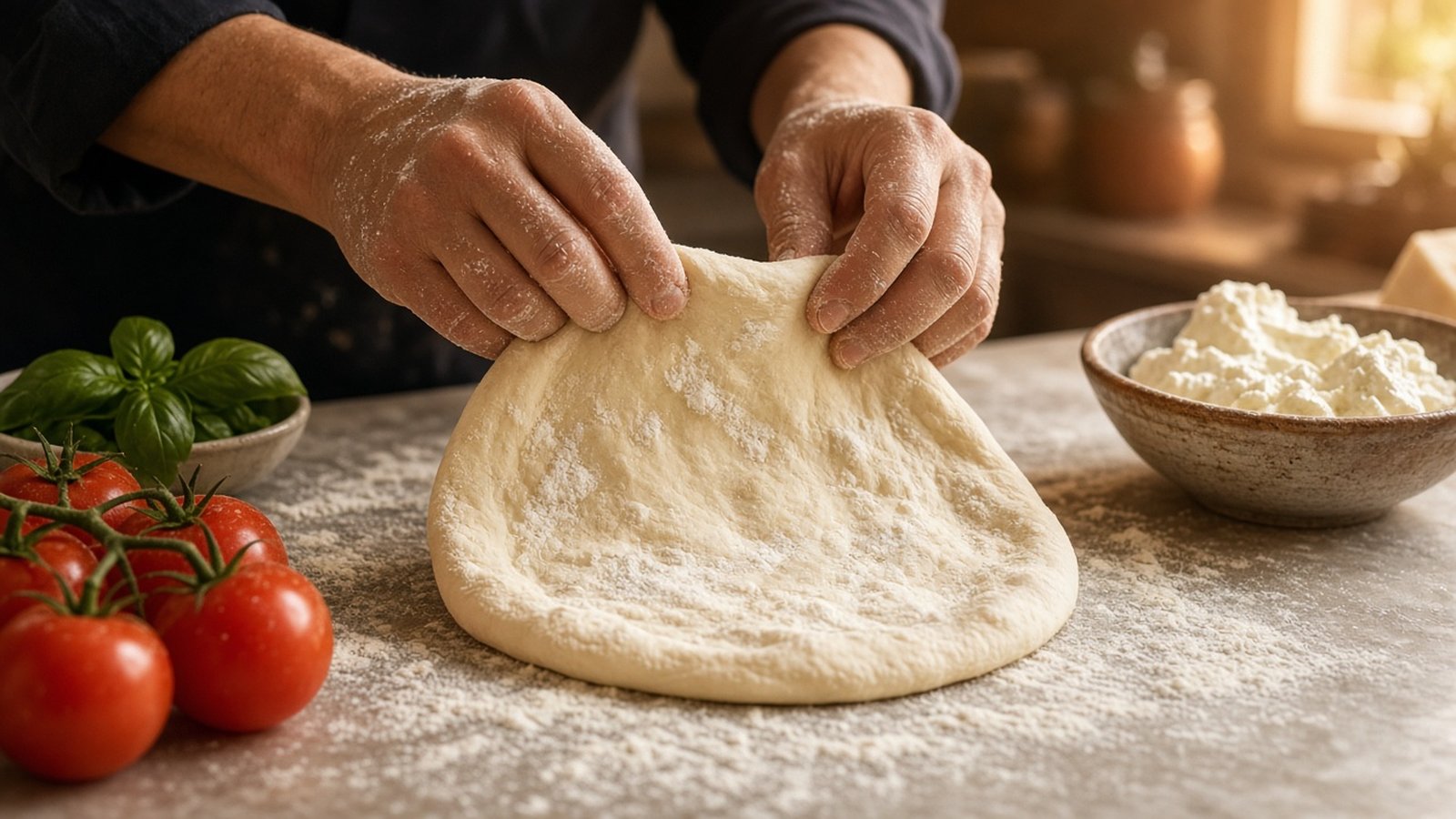
The first and most important step had nothing to do with advertising. Domino’s reformulated its core pizza, changing the crust, the sauce and the cheese. In other words, it changed nearly everything a customer actually tastes.
This is the part many brand projects avoid. It is easier and faster to change a logo or a campaign than to change an operation. But positioning is a promise, and a promise the product cannot keep will only accelerate disappointment. The more attention a campaign attracts, the more people discover the gap.
Step Two: Show the Criticism, Openly
The campaign showed real customer criticism of the old pizza. Instead of pretending the complaints did not exist, Domino’s acknowledged them in public.
Why does this work? Because customers already knew. Pretending otherwise would have confirmed their suspicion that the brand was not listening. By naming the problem first, Domino’s took control of the conversation and earned a rare thing in advertising: credibility.
Step Three: Show the Team Responding
The campaign then showed the team responding to that criticism. This turned the story from a confession into a journey. Viewers saw people inside the company taking feedback seriously and working to improve. It made the brand human and gave the change a face.
For a service business, this is a powerful idea. Your team’s response to feedback is itself a brand message. Showing how you listen and improve can be more persuasive than any claim about quality.
Step Four: Invite People to Try It
Finally, the campaign invited people to try the new pizza. The call to action was simple and confident. It did not ask customers to take the brand’s word for it; it asked them to taste the evidence.
That invitation is what converts honesty into sales opportunity. A turnaround story without a clear next step is just a story.

Step Five: Keep Repositioning Through Operations
The turnaround did not end with the pizza. According to a Campaign case study, later investment in digital ordering reframed Domino’s as a tech-led brand. Once again, the repositioning came from what the company actually did and built, not just from what it said.
This shows how a brand can keep evolving its position over years by improving how customers experience it, in this case how easily they can order.
Why Honesty Is a Strategic Choice, Not a Tone
It is easy to read this case as a story about a brave tone of voice. That misses the point. Honesty here was a strategic decision that shaped the whole sequence: listen to the criticism, change the product, then admit the past and invite people back. If any of those steps had been skipped, the campaign would have collapsed. Without listening, there would be nothing to fix. Without the fix, the admission would only confirm the complaints. Without the invitation, the improvement would stay invisible.
For any business, that means honesty cannot be bolted onto a campaign at the end. It has to be earned in the operation first, and only then expressed in the message.
What Do the Sources Say About Results?
The sources we reviewed report sales growth after the launch. They do not give figures we can verify here, and the research notes advise checking Domino’s investor relations releases before quoting any numbers. So we are deliberately not quoting any. The strategic logic stands on its own: a better product, told honestly, gave people a reason to come back.
Lessons for Dubai Restaurants and Service Brands
Dubai’s food scene is one of the most competitive in the world, and reviews travel fast. The Domino’s lesson is simple: positioning only works when the product delivers. Fix the operation, then tell the story honestly. Here is a practical version:
- Read your reviews and complaints systematically, not defensively.
- Identify the few issues that matter most to customers.
- Fix them properly in the kitchen, the service process or the product.
- Tell customers what you heard and what you changed, in plain language.
- Show the people who made the change.
- Invite customers back with a clear, easy offer to try the improvement.
- Keep improving the experience, including ordering and delivery, and let that shape your position.
Our guide to restaurant brand positioning in Dubai explores how food brands can stand out, and our article on healthcare brand positioning shows how trust works in another sector where the service must deliver.
If your brand needs a turnaround, our branding services in Dubai can help you plan the repositioning and the story, and our brand positioning in Dubai work defines what you should stand for. For contrasting examples, read about Airbnb’s “Belong Anywhere” or see our overview of brand strategy implementation examples.
Frequently Asked Questions
What was the Domino’s Pizza Turnaround?
A repositioning around 2009 and 2010 in which Domino’s reformulated its core pizza and ran a campaign that openly showed customer criticism of the old recipe.
What did Domino’s change in the product?
It reformulated the crust, the sauce and the cheese of its core pizza.
Why show negative customer feedback in advertising?
Because customers already knew about the problems. Acknowledging them openly, then showing the fix, made the new message credible.
Were results reported?
The sources report sales growth after launch. We have not quoted figures because they should be checked in Domino’s investor relations releases first.
What is the lesson for a Dubai business?
Positioning only works when the product delivers. Fix the operation first, then tell the story honestly.
Ready for an Honest Brand Turnaround?
If your customers have been telling you something, it may be your biggest branding opportunity. Email us at office@areesto.com and we will help you turn what you have improved into a story your customers believe.