Fashion Branding in Dubai: What Actually Sells in Malls vs Online
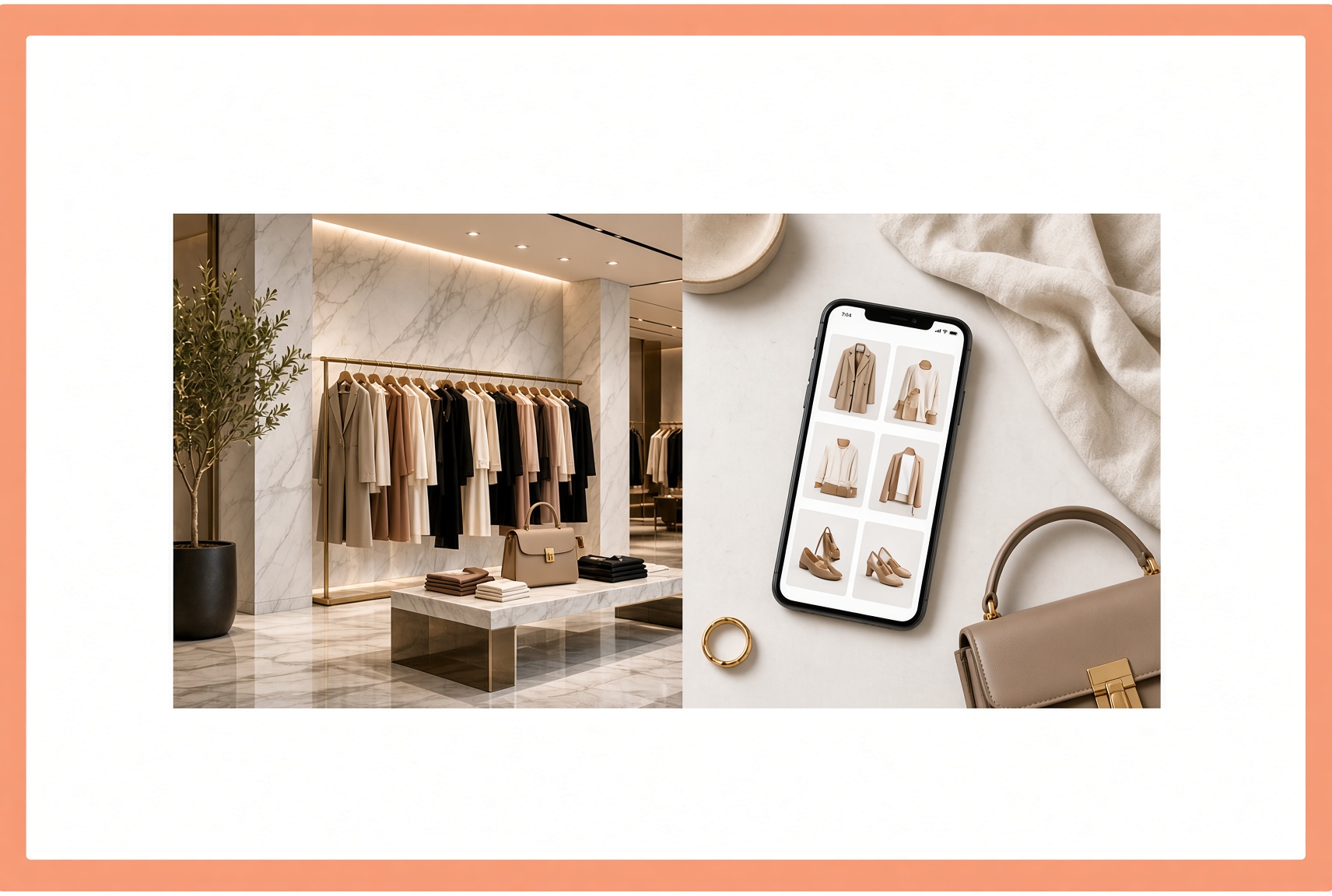
Fashion branding in Dubai is not one channel with two storefronts. A mall customer judges fabric, staff and neighbouring brands in a few seconds. An online customer judges photography, delivery promise and reviews before they ever touch the garment. Treat those as the same job and you waste spend on both.
This article is for labels selling in Dubai malls, on their own site, or both. It explains what actually moves product in each channel, and how fashion marketing in Dubai should change the brand system so the two sides support each other.
What a mall customer buys
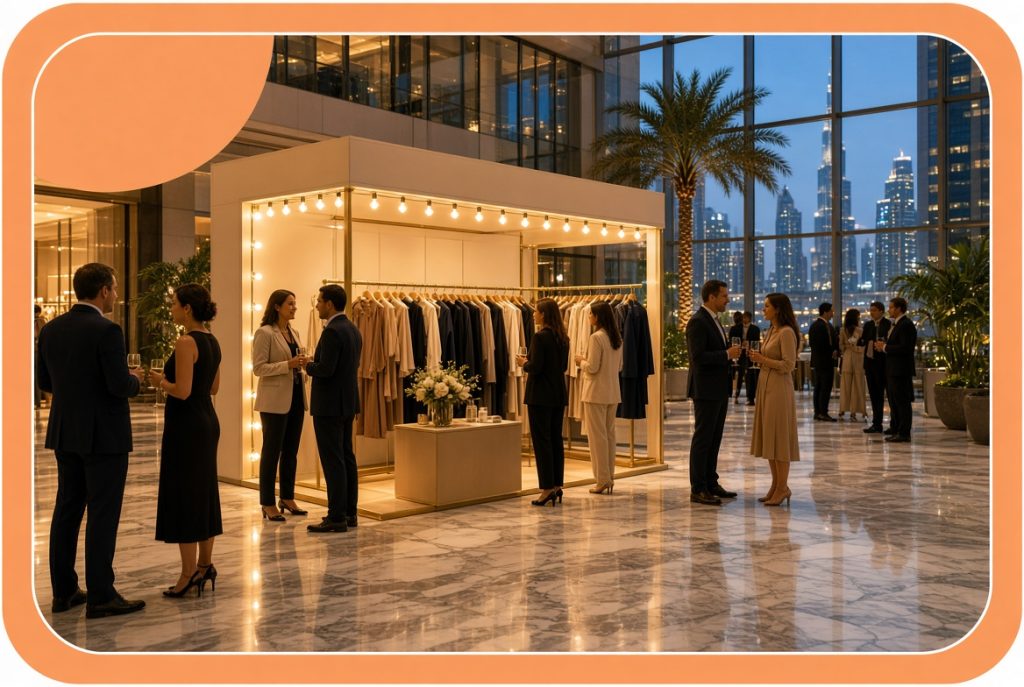
In Dubai Mall, Dubai Hills, City Centre or a community plaza, the product is rarely the first thing people buy. They buy confidence: that the piece will look right tonight, that the size will not surprise them, and that the brand is worth being seen in. Lighting, hangers, scent and the five garments next to yours do more work than a slogan.
Strong mall brands do three things well:
- A tight edit. Too many SKUs on a short rail looks like a warehouse, not a label.
- A clear price architecture. Entry pieces, hero pieces, and a small set of “ask the associate” items.
- Staff who can explain fabric and occasion in one sentence, not a brand manifesto.
If the in-store story is weak, no amount of paid social will fix the conversion once someone walks in. That is a branding problem before it is a media problem.
What an online customer buys
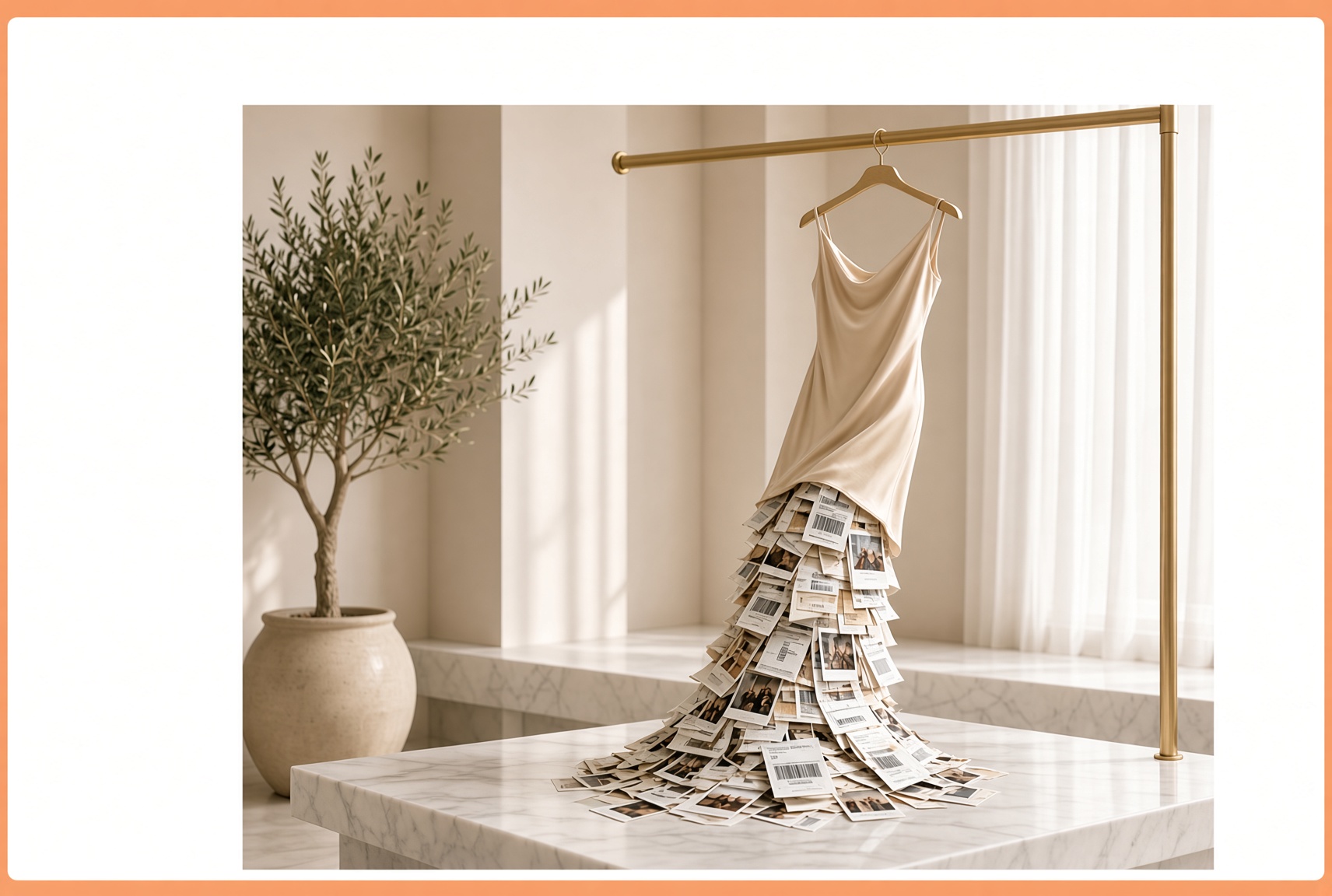
Online, Dubai shoppers are fast and unsentimental. They compare you with Farfetch, Namshi, Shein-tier speed, and a dozen Instagram shops in the same sitting. They buy proof: true colour, true drape, return policy, and whether delivery will arrive before the event.
What sells online here:
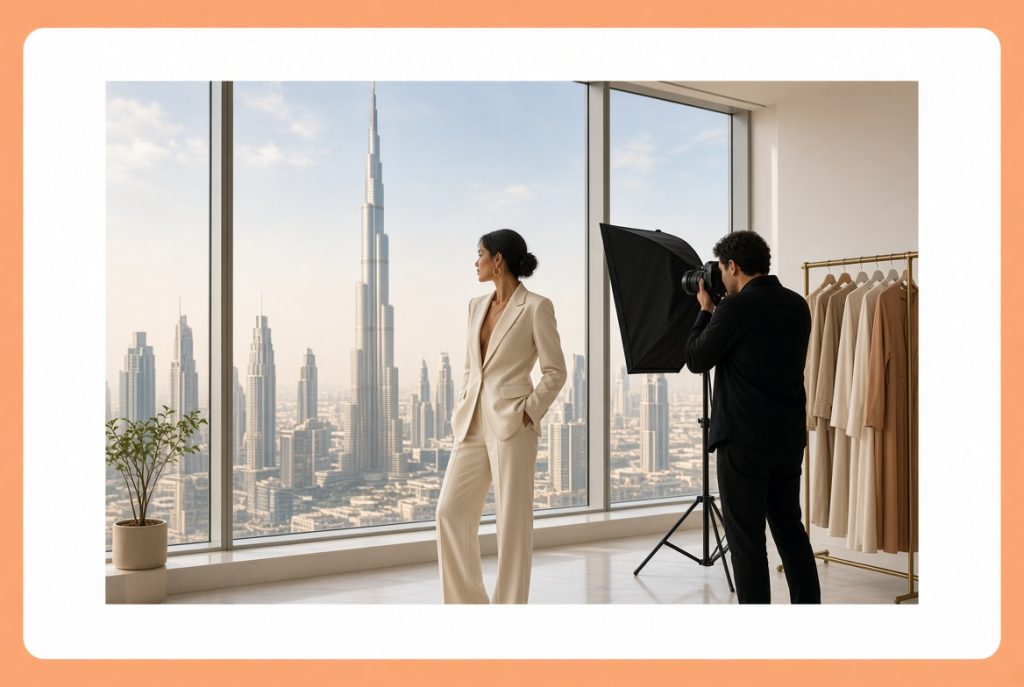
- Photographs on a real body in Dubai light, not only a studio mannequin.
- Size notes that mention fabric stretch and recommended size for common UAE fits.
- A delivery and returns line that is specific: which emirates, how many days, who pays the return.
- A small set of reviews or UGC that show the garment after a night out, not only on launch day.
If those four are missing, traffic from ads becomes returns and silence. Pair product pages with social video that shows movement, not only flat-lays.
Where the two channels usually break
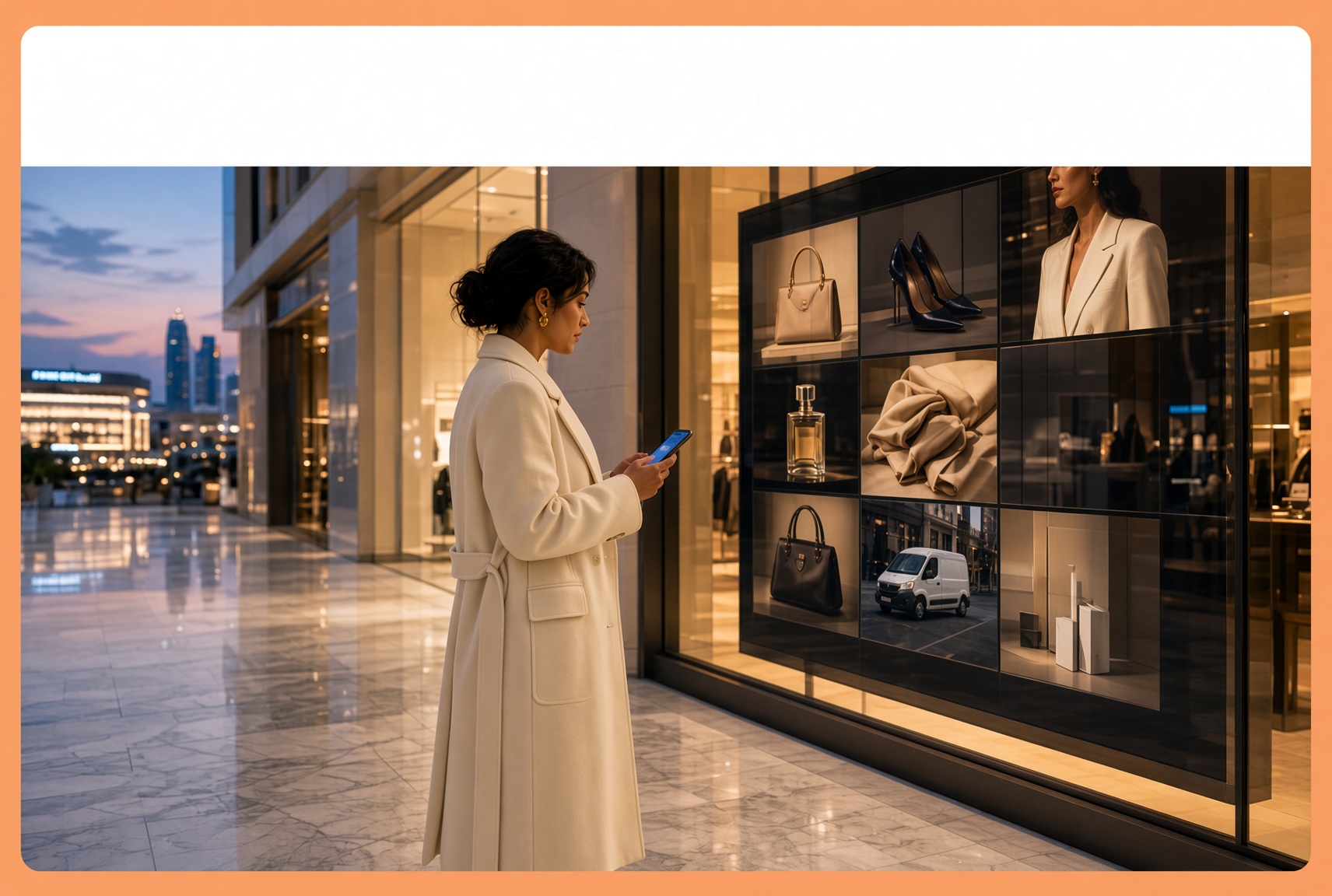
Most Dubai fashion brands fail at the join, not at either channel alone. The mall window says quiet luxury. The Instagram grid says discount drop. The site says “worldwide shipping” while the store cannot find the online SKU. Customers notice. They stop trusting the price.
Keep one brand spine:
- Same name, same colour world, same quality claim in store and on site.
- Different proof. Malls need touch and service. Online needs images, policy and speed.
- Different offer shape. Malls can sell styling and alteration. Online can sell bundles and restocks.
Packaging is part of that spine. A mall bag that looks cheap trains people to screenshot the cheaper online competitor.
A practical split for budget
If you sell in both places, do not split the budget 50/50 by habit.
- New label with one store: put more into the store edit, staff script and a simple site that does not lie about stock.
- Online-first label testing a popup: put more into photography, size content and a popup that feels like the site, not a market stall.
- Established label: spend on matching stock files and a single weekly drop story used in-store and on the grid.
Areesto uses this split when we plan fashion work in Dubai: brand first, then the channel proof.
What to do this month
- Walk your own store as a stranger. Photograph the first five things a customer sees. Compare that set with your homepage.
- Pick one hero piece. Write a mall sentence and an online sentence. If they contradict, fix the product story before you buy ads.
- Remove three SKUs that exist only because the supplier pushed them.
- Add one proof asset online: a 15-second wear video or an honest size note.
If you want a channel plan that still looks like one brand, start with fashion marketing in Dubai or contact Areesto.