
Brand Positioning for Restaurants in Dubai: Be the Answer to “Where Should We Go Tonight?”
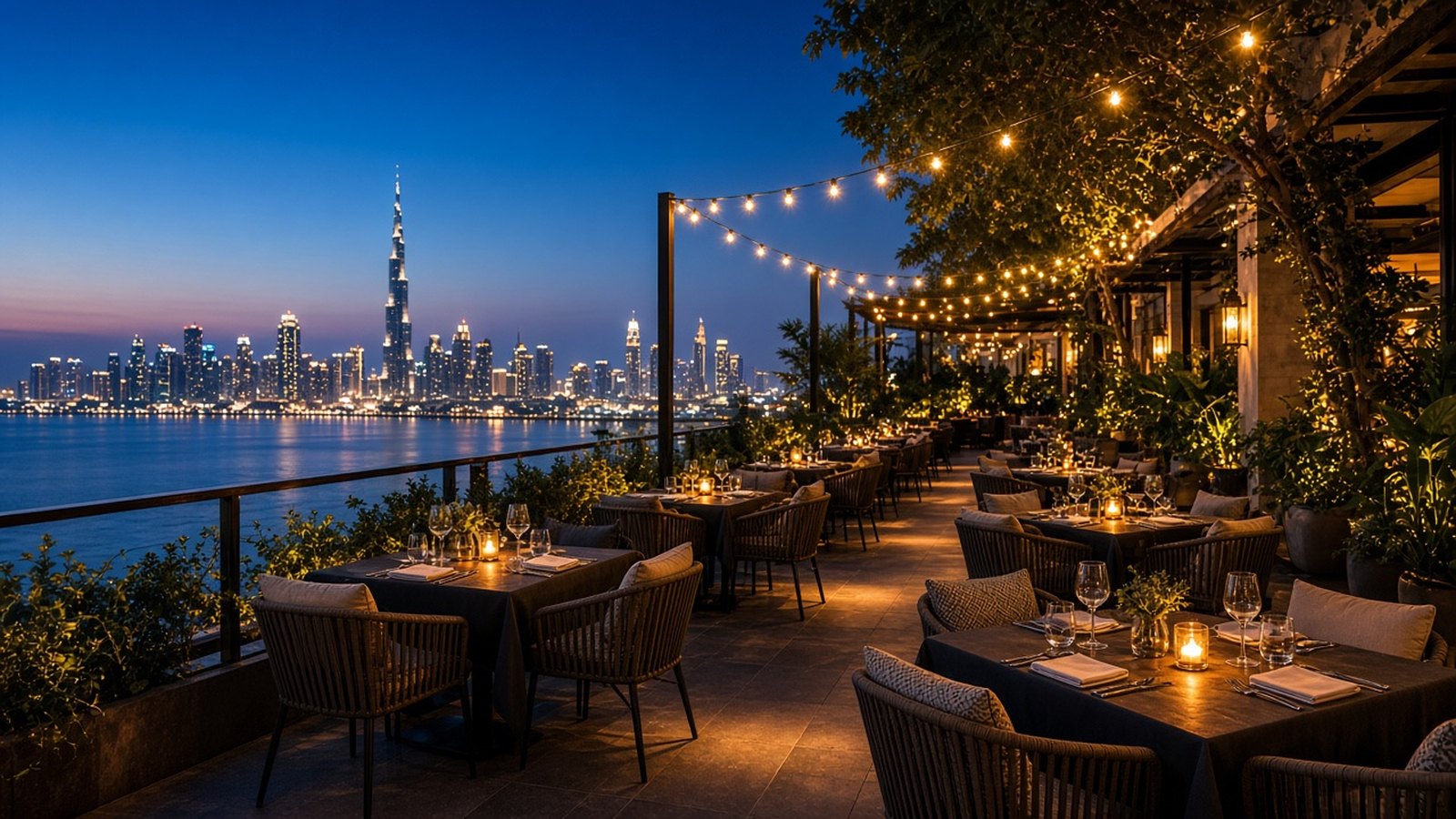
It is seven in the evening. A group chat lights up: “Where should we go tonight?” Suggestions fly in. Someone sends a reel, someone else a map pin, a third person says “somewhere chill but not boring”. In Dubai, the options are almost endless, from tasting menus to shawarma counters that have fed the same neighbourhood for decades. Within minutes, one name wins. The question every restaurant owner should ask is simple: why wasn’t it mine?
Restaurant brand positioning in Dubai is how you become the obvious answer for a specific moment. It shapes everything from restaurant and café branding to the dishes on your menu, and it follows the same principles as strategic brand positioning for Dubai companies.
Positioning by Occasion, Not Just Cuisine
“Italian restaurant” is a category. “The place for a long, loud family Friday lunch with handmade pasta” is a position. Diners rarely decide by cuisine alone; they decide by occasion: a weekend brunch, a business lunch that needs quiet tables, a date night with low lighting, a fast delivery during a busy week.
Choose the occasions you want to own, then design for them. Lighting, music volume, table spacing, menu length and even portion sizes all follow from that choice. When a restaurant tries to be perfect for every occasion, it usually becomes memorable for none. Owning one or two occasions brilliantly gives guests a simple reason to think of you first, and a simple story to tell their friends afterwards.
Concept Clarity: the One-Sentence Test for Your Restaurant
Try this: describe your restaurant in one sentence that a guest could repeat to a friend. It should say who it is for, what it offers and why it is different. If your team gives five different answers, your concept is not yet clear.
A clear sentence becomes a filter for decisions. Should we add sushi to our Lebanese menu? Does that new uniform fit? Is this influencer right for us? The sentence answers. It also helps new staff understand the spirit of the place within their first week, which matters in a city where hospitality teams change often.
Where the Position Lives: Name, Interior, Menu Language, Uniforms and Packaging
Guests experience a restaurant’s position through dozens of small signals: the name above the door, the texture of the chairs, the words on the menu, the way staff greet you, the bag your takeaway arrives in. Each should tell the same story.
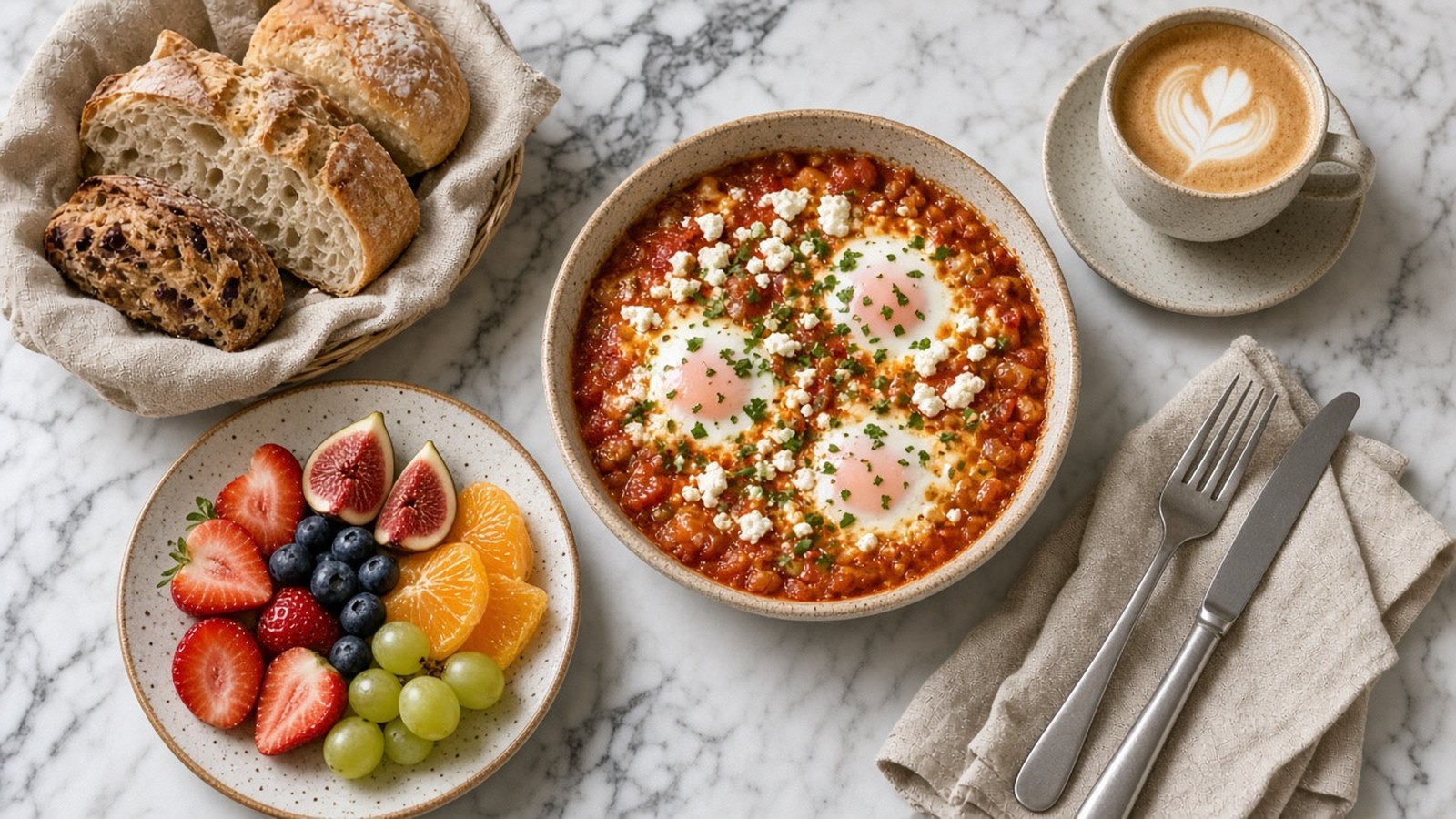
Menu language is especially powerful. “Grandmother’s slow-cooked lamb” and “12-hour sous-vide lamb shoulder” might describe the same dish, but they position two completely different restaurants. Even the paper the menu is printed on, or the decision to have no printed menu at all, sends a message.
Delivery-First and Cloud Kitchen Brands
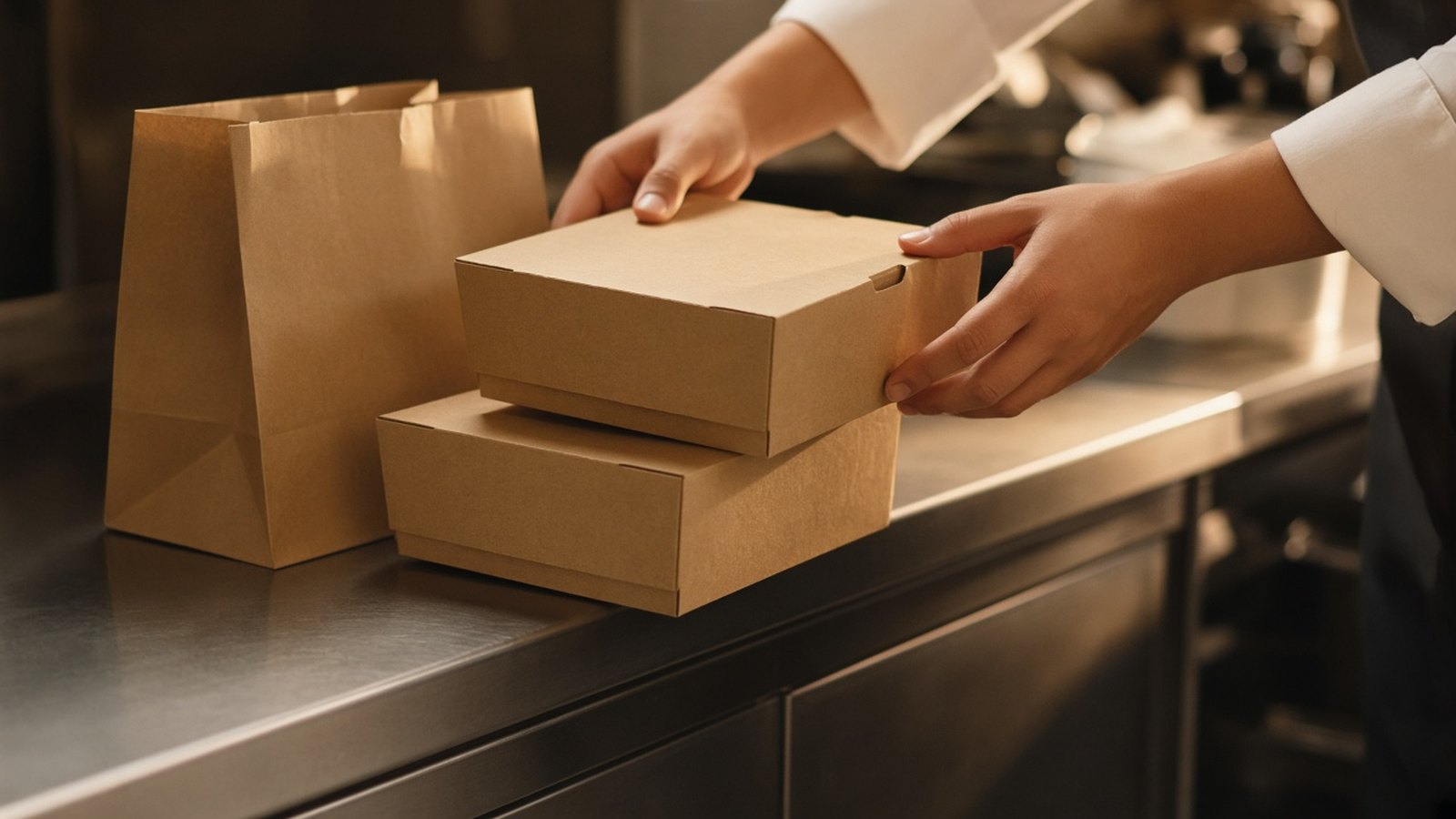
Without a dining room, a delivery brand lives on a thumbnail, a name and a box. Positioning must be instantly readable on an app: a clear food focus, distinctive photography and packaging that turns unboxing into a small moment of delight.
Packaged F&B Products on Retail Shelves
On a supermarket shelf, you have seconds. Packaging, naming and claims must communicate the position immediately. Our work in packaging design in Dubai and food and beverage branding in the UAE explores this in depth.
Small Details That Make a Position Memorable
Positioning often lives in the smallest gestures: the bread that arrives before you ask, the dessert that comes with a sparkler on birthdays, the way the chef walks the room at the end of service. These rituals give guests something to share and something to return for. Choose two or three details that express your position and protect them, even on the busiest night.
World Brands: What We Can Learn From Restaurant Positioning Leaders
Some restaurant brands are famous precisely because their position is so clear. These are public examples only, and Areesto has no relationship with them.
Shake Shack: The Elevated Roadside Burger Stand
Shake Shack grew from a burger stand in a New York park and presents itself as a modern take on the classic roadside burger joint, with quality ingredients and a warm, community feel. The lesson: a humble format can feel premium when the story and execution are consistent.
Nando’s: Peri-Peri With Personality
Nando’s is known for flame-grilled peri-peri chicken, its Afro-Portuguese roots and a playful, cheeky brand voice. Its heat-level system lets guests choose their own experience. The takeaway: a signature product plus a distinct personality creates instant recognition.
Pret A Manger: Freshness and Speed
Pret built its brand on freshly prepared food for people on the move, with a clean, simple store design and a focus on natural ingredients. For cafés in Dubai’s business districts, the lesson is that a clear promise for a busy moment can define a brand.
Authenticity vs Fusion: Positioning Heritage Cuisines in a Global City
Dubai is home to almost every cuisine on earth, often cooked by people from the regions those dishes come from. That creates two strong paths. Authenticity positions a restaurant as a faithful taste of home, with traditional recipes, regional specialities and a story rooted in family or place. Fusion positions it as a creative meeting point, celebrating the city’s cultural mix.
Both work. What does not work is being vague, neither truly traditional nor boldly inventive. Pick your path, and let your menu, interior and storytelling commit to it.
Repositioning a Restaurant Without Losing Regulars
Sometimes a concept needs to change: the neighbourhood has shifted, a competitor has copied you, or the original idea simply did not land. Repositioning is possible, but regulars are precious. Keep the dishes and rituals they love, explain the change openly, and introduce new elements in stages. Invite loyal guests to preview the new concept before launching it publicly, and listen carefully to what they say. For marketing the relaunch, see our approach to restaurant marketing.
Frequently Asked Questions
Is cuisine enough to position a restaurant?
Rarely. Cuisine tells guests what you serve, but occasion, atmosphere and personality tell them why to choose you over the many others serving similar food.
How does positioning change for delivery-only brands?
It becomes more visual and compact. Your name, menu photography, app listing and packaging must communicate the whole position within a few seconds of scrolling.
When should a restaurant rebrand?
Consider it when your concept no longer matches your guests, your food or your location, or when you cannot describe what makes you different in one clear sentence.
How should a menu reflect positioning?
Through what you include, what you leave out, how dishes are named and described, and the design of the menu itself. A focused menu usually communicates a stronger position than a long one.
Ready to Be the Answer Tonight?
Areesto is a branding, web design, SEO and marketing agency with offices in Dubai and Tehran. Whether you are opening a café or refreshing a restaurant concept, write to us at office@areesto.com and let us make your brand the one the group chat agrees on.