
Brand Positioning for Fashion Brands in Dubai: Owning a Style Before You Own a Season
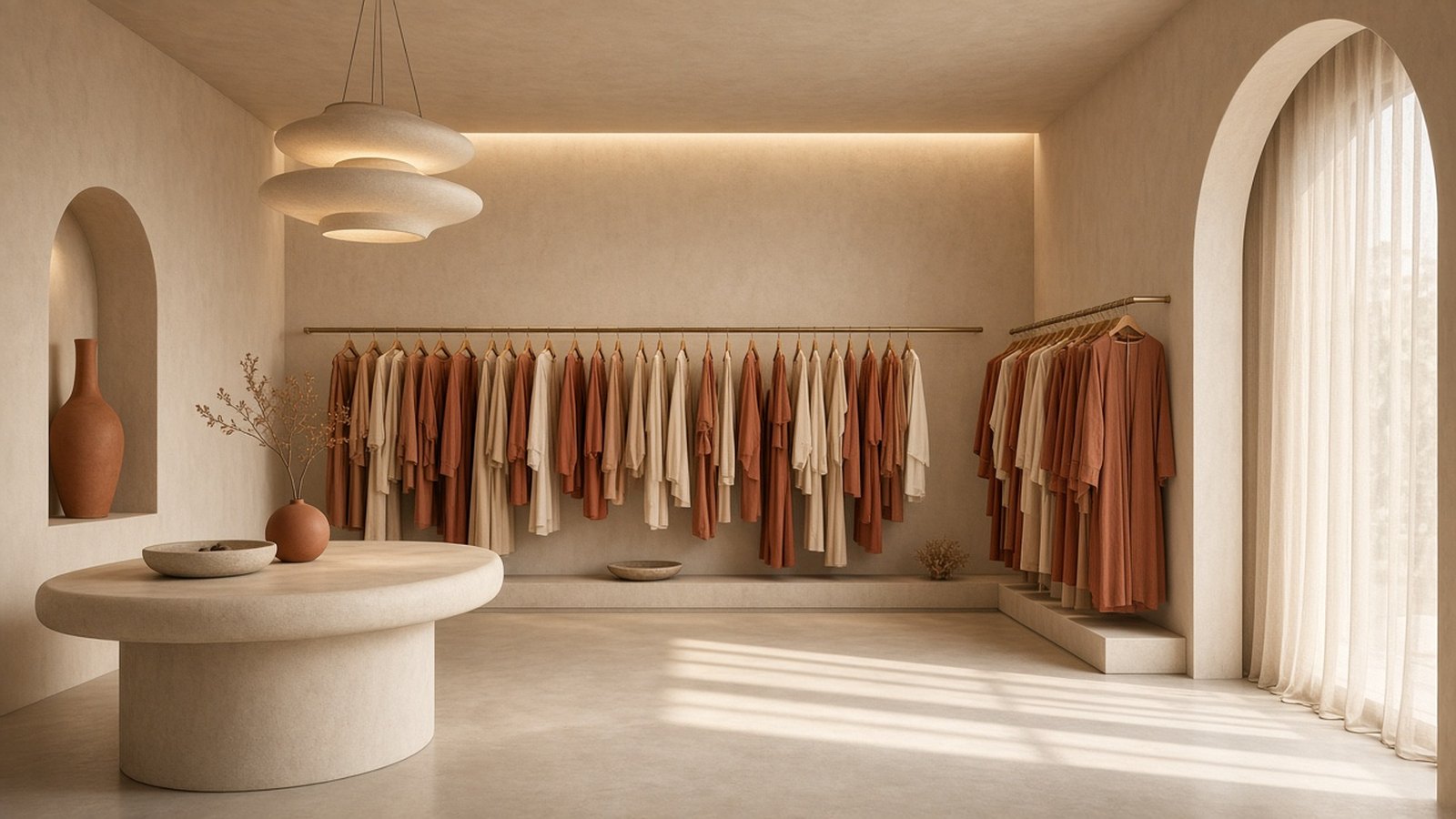
Walk through any of Dubai’s great malls on a Thursday night and you will pass, in a few hundred steps, nearly every fashion label on earth. Paris, Milan, Tokyo, Seoul and London are all lit up behind glass, each with decades of storytelling behind it. Now imagine you are a young Dubai label with one small studio, a handful of pieces and a lot of conviction. How do you make someone stop?
You do not win by shouting louder. You win by standing for something specific. Fashion brand positioning in Dubai is about owning a style, a point of view and a wearer before you try to own a season. It is the foundation of fashion marketing in Dubai and an expression of strategic brand positioning for Dubai companies.
Competing in a Mall of Global Labels: What a Local Brand Can Own That Others Can’t
Global houses have budgets, heritage and reach. A local brand has something they cannot easily copy: proximity. You know how people in this city actually dress, for the heat, for the office, for weddings, for evenings by the water, for Ramadan gatherings. You can design for the rhythm of life here, not for a generic global customer.
Local brands can also own speed and intimacy: responding quickly to what clients ask for, offering fittings and personal service, telling stories rooted in the region’s culture and craft. These advantages become a position when you choose them deliberately and express them consistently.
Point of View Comes Before Product: Aesthetic, Values, Wearer Identity
A fashion brand without a point of view is just inventory. Before deciding on the next collection, answer three questions. What does your aesthetic look like, in a few words anyone on your team could repeat? What do you value, such as craft, sustainability, comfort, boldness or modesty? And who is the wearer: what does she or he do, feel and want to say through clothes?
When those answers are clear, design decisions become easier. A fabric, a silhouette, a campaign location or a collaboration either fits the point of view or it does not.
Positioning Maps for Fashion: Price vs Expression, Trend vs Timeless
A simple positioning map helps you see the market honestly. Draw two axes. On the first, place price, from accessible to luxury. On the second, place expression, from quiet and minimal to loud and statement-making. Then try a second map: trend-led versus timeless.
Plot the brands your customers actually consider. You will often find crowded corners, where many labels say the same thing, and empty spaces where a clear voice could stand out. The goal is not to find a blank spot at any cost, but to find a space that matches your real strengths and a real group of customers.
Modest, Occasion, Streetwear and Resort: Positioning in Dubai’s Key Niches
Dubai’s fashion market has several energetic niches, each with its own codes:
- Modest fashion: elegance, coverage and fabric quality, often with a contemporary twist.
- Occasion wear: weddings, Eid, galas and celebrations, where craftsmanship and drama matter.
- Streetwear: youth culture, community, limited drops and attitude.
- Resort wear: light fabrics, ease and the feeling of a permanent holiday.
Choosing a niche does not limit your creativity. It tells customers where to find you and why you belong in their wardrobe.
Remember that positioning in fashion is a promise repeated many times. Each drop, post and window display either strengthens the promise or blurs it.
World Brands: What We Can Learn From Fashion Positioning Leaders
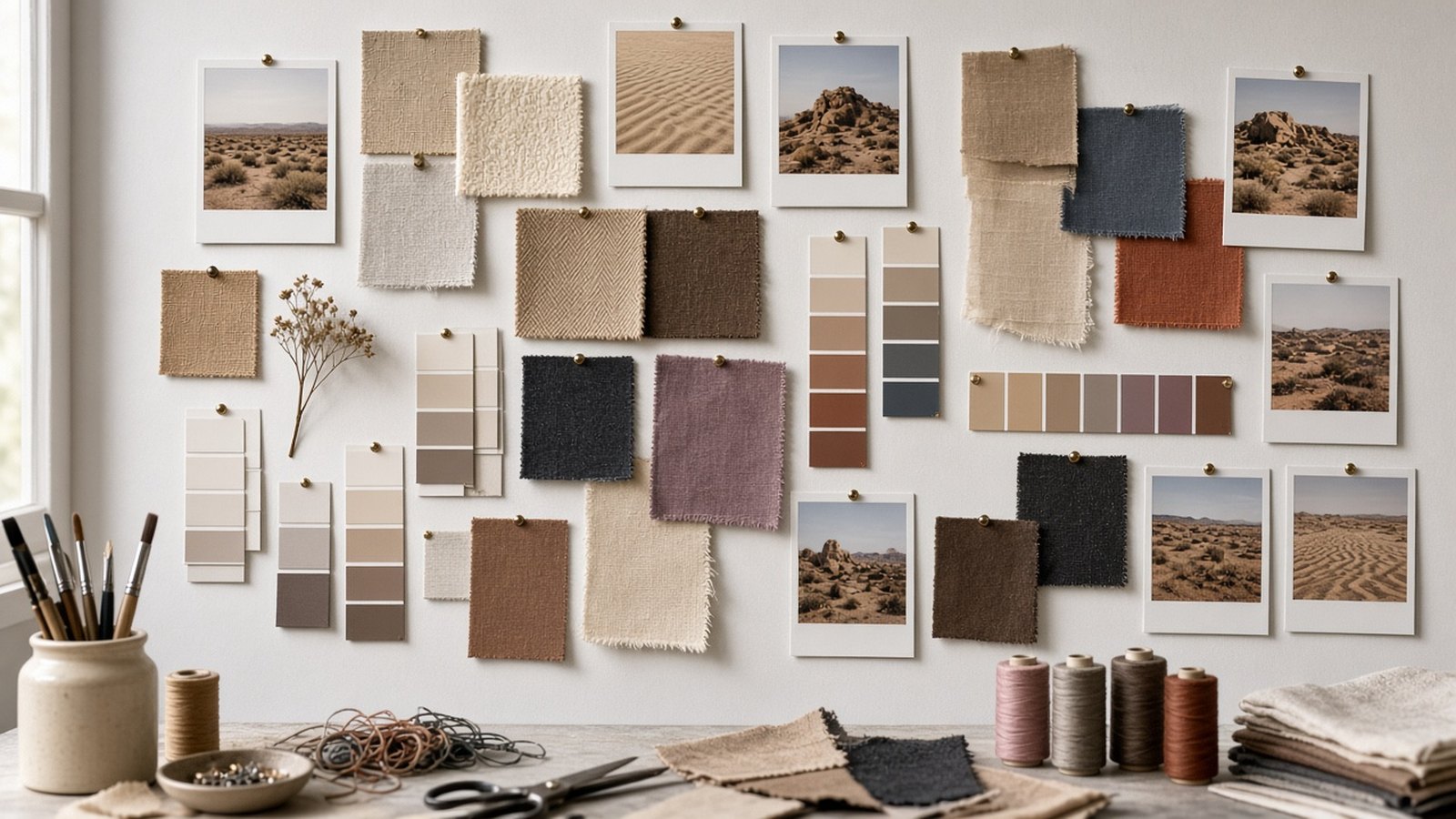
Some global fashion brands show clearly how positioning shapes everything. These are public examples only, and Areesto has no relationship with them.
Hermès: Craft and Restraint
Hermès is known for exceptional craftsmanship, artisan workshops and a quiet, confident form of luxury. It rarely chases trends. The lesson: a deep commitment to craft can become a position that customers trust for generations.
Zara: Speed and Trend Responsiveness
Zara is famous for bringing new styles to stores quickly and refreshing its collections often, giving shoppers a reason to come back again and again. The takeaway: speed itself can be a position when your entire operation is built around it.
Uniqlo: Simple, Functional Essentials
Uniqlo positions its clothing as well-made everyday basics, focusing on function, comfort and fabric innovation rather than loud trends. For Dubai brands, the lesson is that simplicity and usefulness can be just as distinctive as statement design.
Expressing the Position Across Instagram, Lookbooks, Store and E-commerce
A fashion position lives in images. Your Instagram grid, lookbooks, product photography, store design and online shop should feel like chapters of the same story. Our work in social media branding in Dubai and fashion and beauty e-commerce focuses on exactly this consistency.
Visual Consistency vs Seasonal Freshness
Every season brings new colours and moods, but the brand should remain recognisable. Keep a stable core, such as typography, photographic style, models’ attitude or a signature colour, and let each collection play within it. Customers should feel novelty without wondering whether they are looking at a different label.
Collaborations and Creators That Fit (and Don’t)
Creators and collaborations can multiply reach, but they also borrow your identity. Choose people whose style, values and audience already reflect your point of view. A great fit strengthens your position; a mismatched one confuses it. Our approach to influencer marketing in Dubai starts with that question of fit.
When to Stretch or Narrow Your Position
Successful brands are often tempted to expand into new categories, from abayas to accessories, from womenswear to kids. Stretching can work when the new products naturally express the same point of view. If customers would be surprised or confused, it may be wiser to narrow instead, focusing on what you are loved for and doing it even better.
Frequently Asked Questions
How narrow should a new fashion label be?
Narrow enough that customers can describe you in one sentence. A focused first collection with a clear aesthetic usually builds recognition faster than a broad range.
Can a boutique stocking other brands have its own position?
Yes. Curation is a point of view. The selection, store experience, styling advice and voice can make a multi-brand boutique distinctive.
How do influencers affect positioning?
They can amplify or dilute it. Work with creators whose style and audience naturally match your brand, and give them room to express your story authentically.
How often should a fashion brand refresh visuals?
Campaign imagery can change every season, while core identity elements such as logo, typography and photographic style should stay consistent for years.
Ready to Own Your Style?
Areesto is a branding, web design, SEO and marketing agency with offices in Dubai and Tehran. If your label or boutique is ready for a clearer point of view, write to us at office@areesto.com and let us help your brand become the one people stop for.