
In the GCC’s Experience-Driven Economy, Dubai Destinations Need a Spatial Identity
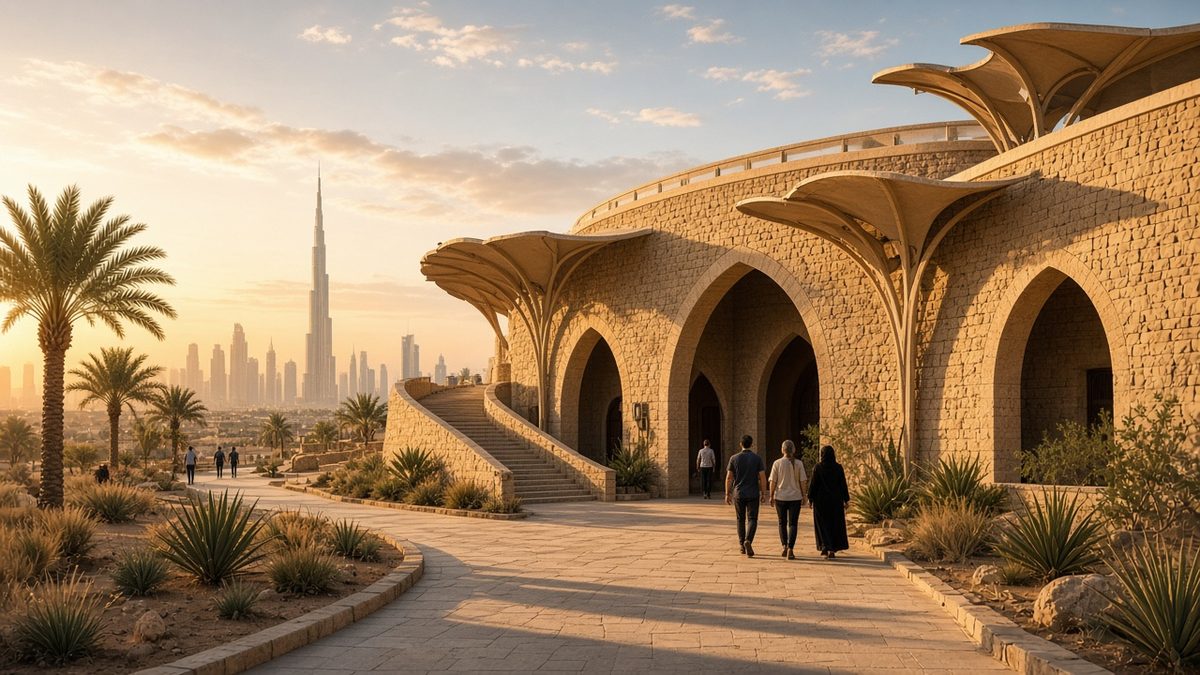
A family arrives at a new attraction in Dubai after seeing a spectacular launch video. The film promised wonder. The arrival offers a car park with confusing signs, a ticket queue in the sun, an entrance that looks like a shopping mall service door and a map that uses different names from the website. By the time they reach the first exhibit, the wonder has already been spent on finding their way.
Regional marketing commentary this autumn made a point that fits tourism perfectly: in the GCC’s experience-driven economy, brands need a spatial identity. A destination’s brand is not only its logo and campaign. It is the place itself, experienced step by step. For travel and tourism marketing in Dubai, that shifts attention from the launch to the visit. It connects with our pieces on how visitors decide earlier than they book and whether destination marketing has fallen in love with itself.

The Visit Is the Brand
Visitors judge an attraction by how it feels to be there. Arrival, wayfinding, queues, shade, staff, toilets, food, photo spots and the exit all shape the memory. The campaign creates the expectation; the place either fulfils it or quietly lets it down.
In Dubai, where visitors compare a new attraction with world-class experiences they have already enjoyed, small frictions stand out. A spatial identity is the discipline of designing every physical moment so it expresses the same idea as the brand.
Elements of a destination’s spatial identity
- A memorable arrival that tells visitors immediately where they are and what to do
- Wayfinding and naming that match the website, tickets and app exactly
- Shade, seating and water points designed as part of the experience, not afterthoughts
- Distinctive materials, colours and sounds that make the place recognisable in photos
- Staff uniforms, greetings and scripts that carry the brand’s personality

Designing Around Real Visitors
Start with the visitors you actually receive: families on weekend outings, tourists on a tight schedule, cruise passengers with a few hours, residents bringing guests from abroad. Each group arrives differently and needs different information. A spatial identity should feel welcoming to all of them while solving their practical problems.
Walk the full journey yourself, including the bits nobody films: the drop-off point, the route from the metro, the ticket desk at peak time, the exit at closing. Note every moment of confusion or discomfort. Those are design briefs, not operations complaints.
Bilingual and multilingual by design
Dubai welcomes visitors from every region, and residents speak dozens of languages. Signage, maps and digital guides should work in Arabic and English at minimum, with icons and simple visual cues that help everyone else. Consistent pictograms and colour coding are part of the spatial identity, not just accessibility features.
Climate is a design opportunity
Heat shapes visiting patterns in the UAE for much of the year. Destinations that design shade, cooling, indoor transitions and evening experiences into their identity turn a constraint into a signature. A shaded arrival plaza can become the most photographed part of the visit.

Connecting Space, Content and Marketing
When the place has a clear identity, marketing becomes more honest and more effective. Photography shows real spaces in use. Videos follow the visitor journey. Maps and guides use the same names visitors see on site. Social media content can highlight details that make the place distinctive.
Hotels and destinations that work together can extend the identity beyond the gate, with consistent information and visual cues from hotel concierge desks to the attraction entrance. Our hospitality marketing work in Dubai often bridges exactly that gap.
- Use the same names for zones and experiences on site, online and in partner channels
- Design photo moments that express the brand rather than generic backdrops
- Brief tour operators and booking partners with accurate visuals and visitor information
- Review visitor feedback for moments where the place and the promise disagree
Keep refreshing the experience
Spatial identity is not finished at opening. Seasonal changes, new zones and events should all follow the same design language, so the destination evolves without losing recognisability.

Frequently Asked Questions
Is spatial identity only for large attractions?
No. Smaller experiences, from desert camps to museums and guided tours, benefit from a clear, consistent physical expression of their brand, often at low cost.
How does spatial identity affect online reviews?
Visitors review the whole experience. A coherent, well-designed visit leads to more positive, more specific reviews and better photos shared online.
Who should own the spatial identity?
Brand, operations and design teams together. It works best when marketing is involved in physical decisions and operations is involved in the brand.
Make the Place Tell the Story
Dubai’s tourism market is full of spectacular launches. The destinations that last are the ones where the place itself tells the story, from the first sign to the last photo. Build the identity into the visit, and the marketing will have something true to show.
Areesto is a Dubai-based branding and marketing agency working with attractions, destinations, tour operators and travel brands across the UAE and the GCC. To make your place easier to choose and more memorable to visit, email office@areesto.com or explore our travel and tourism marketing services in Dubai.