
Why Dubai’s Newest Restaurants Keep Looking the Same
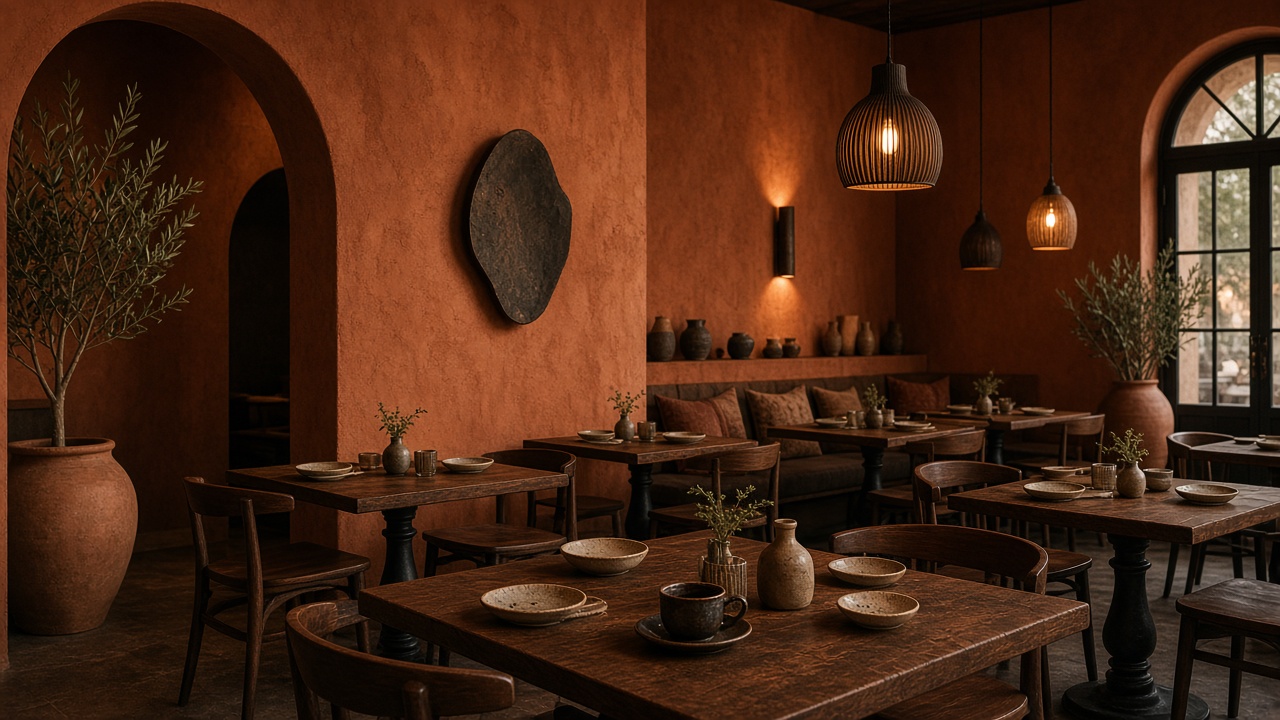
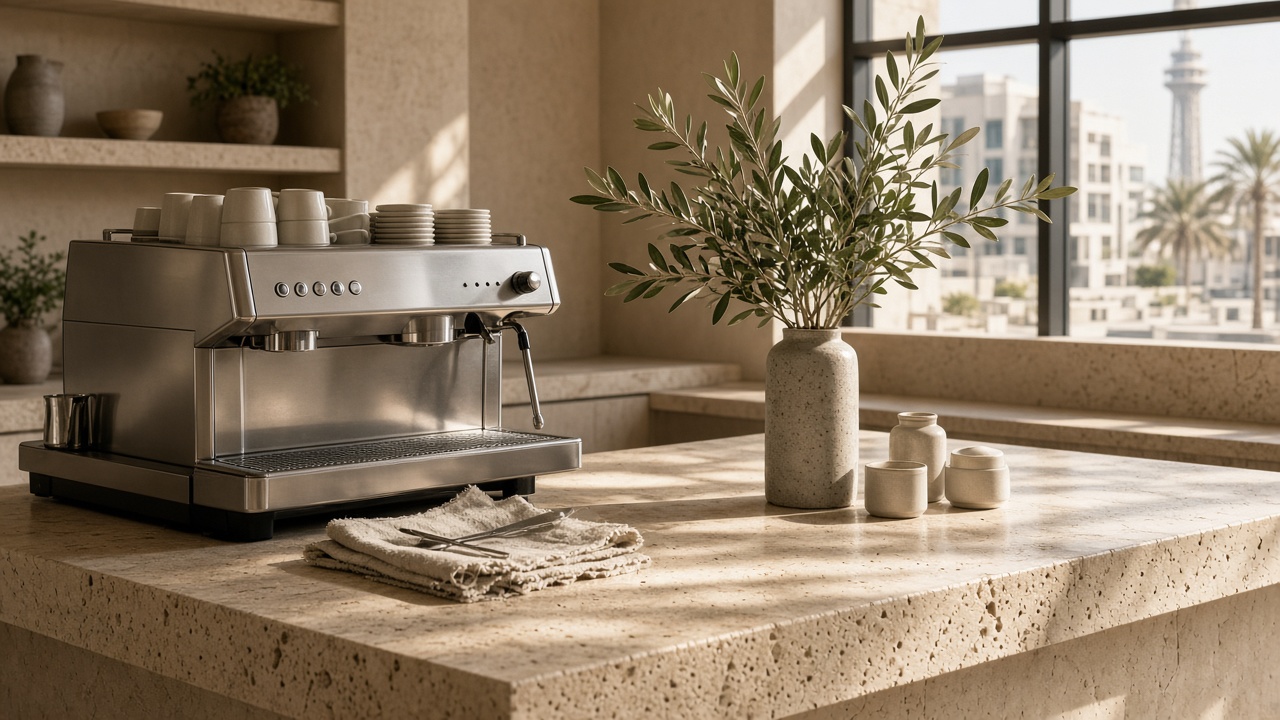
Walk through a newly opened dining district in Dubai on a Friday evening and an eerie sense of déjà vu sets in. Curved micro-cement arches, pale travertine counters, olive trees in oversized ceramic pots, a monochrome sans-serif wordmark and a menu promising “modern sharing plates with a Mediterranean soul.” Each room looks pleasant on its own, yet put five of them side by side without their signs and even regular diners struggle to tell which venue is which.
That sameness is the central challenge in restaurant branding in Dubai today. When founders borrow the same safe moodboard from international trend feeds, they trade memorability for short-term polish. Avoiding the clone trap starts long before choosing fonts—by grounding your restaurant concept before the logo and carrying that character into how your venue looks beyond the dining room on delivery apps.
Why So Many New Dubai Restaurants End Up Looking Identical
Sameness rarely happens because founders lack taste. It happens because opening a venue in Dubai carries high rent, tight fit-out timelines and pressure to look “elevated” from week one. Under deadline pressure, teams reach for whatever aesthetic is currently performing well on design blogs and social feeds.
The result is an industry-wide loop: the same beige plaster, the same warm rattan lamps, the same blurred flash-lit cocktail reels and the same menu phrasing. Instead of standing apart in a neighbourhood full of ambitious kitchens, a new opening immediately blends into the background.
Safe trend-following is actually the riskiest move
When a dining room looks like ten other spots in DIFC, Jumeirah or Alserkal, guests may visit once for a photo and never build loyalty. A distinct identity gives people a real reason to come back and bring friends.
Where Genuine Differentiation Actually Comes From
Standing out does not require louder colours or theatrical gimmicks. In fact, the strongest hospitality brands in the UAE feel effortless because their identity grows directly out of what happens in the kitchen and at the table.
- A specific culinary point of view rather than a stretched “fusion” menu trying to please every table at once
- Cultural, regional or craft references drawn from the food’s real heritage instead of generic resort clichés
- Material choices—clay, brushed steel, dark timber, crisp paper—that reflect the temperature and rhythm of the service
- A distinct brand voice heard in menu notes, table greetings, reservations confirmations and Instagram captions
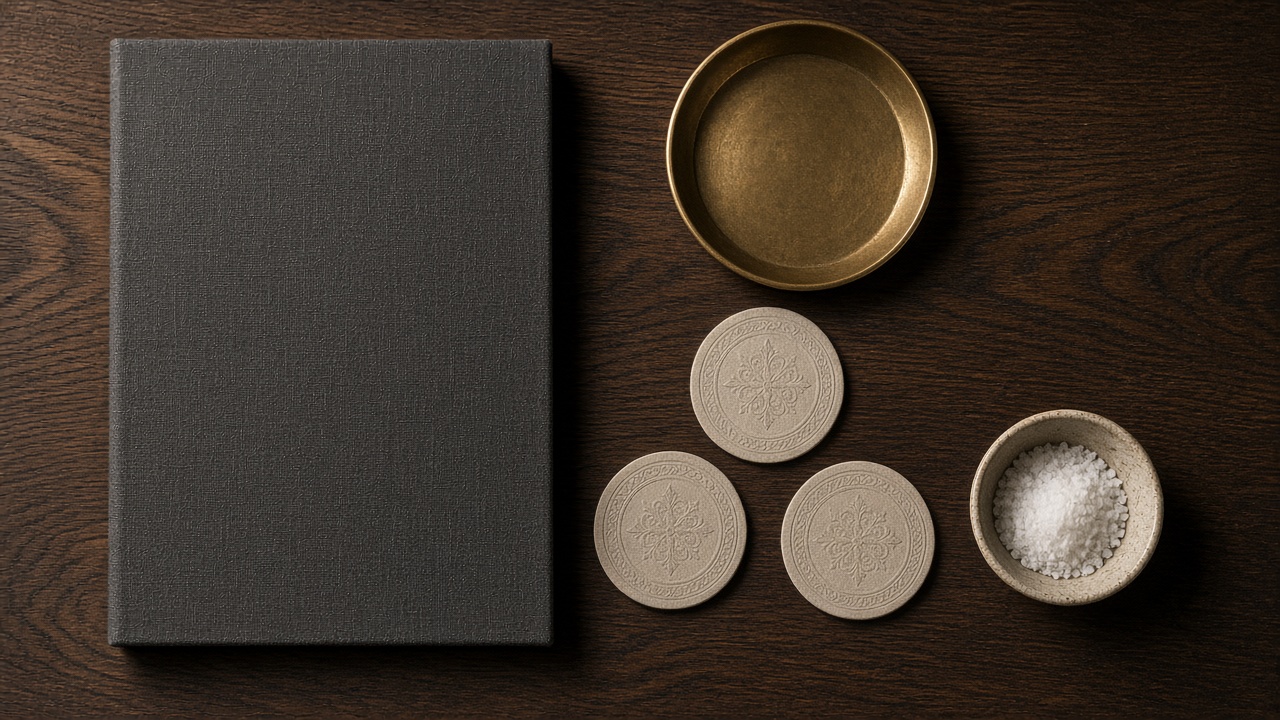
- Tactile print and table details—coasters, bill folders, salt vessels and uniforms—that feel invented for that exact room
Notice how every element reinforces our guide on restaurant brand positioning in Dubai: guests decide where to eat tonight based on mood and occasion, not generic luxury adjectives.
Design for Memory, Not Just the Opening-Week Grid
Social media rewards a clean beige interior for about two weeks. Real word-of-mouth rewards character for years. Think about the restaurants in Dubai that still draw regulars seasons after launch: you remember the smell of the hearth, the weight of the menu card, the colour of the awning, or the brisk warmth of the host stand.
When developing creative branding in Dubai, ask one blunt test question about every visual choice: if we covered the name on the storefront, would someone who has eaten here twice still recognise this room, this menu or this post as ours?
How Existing Restaurants Can Break Out of the Clone Look
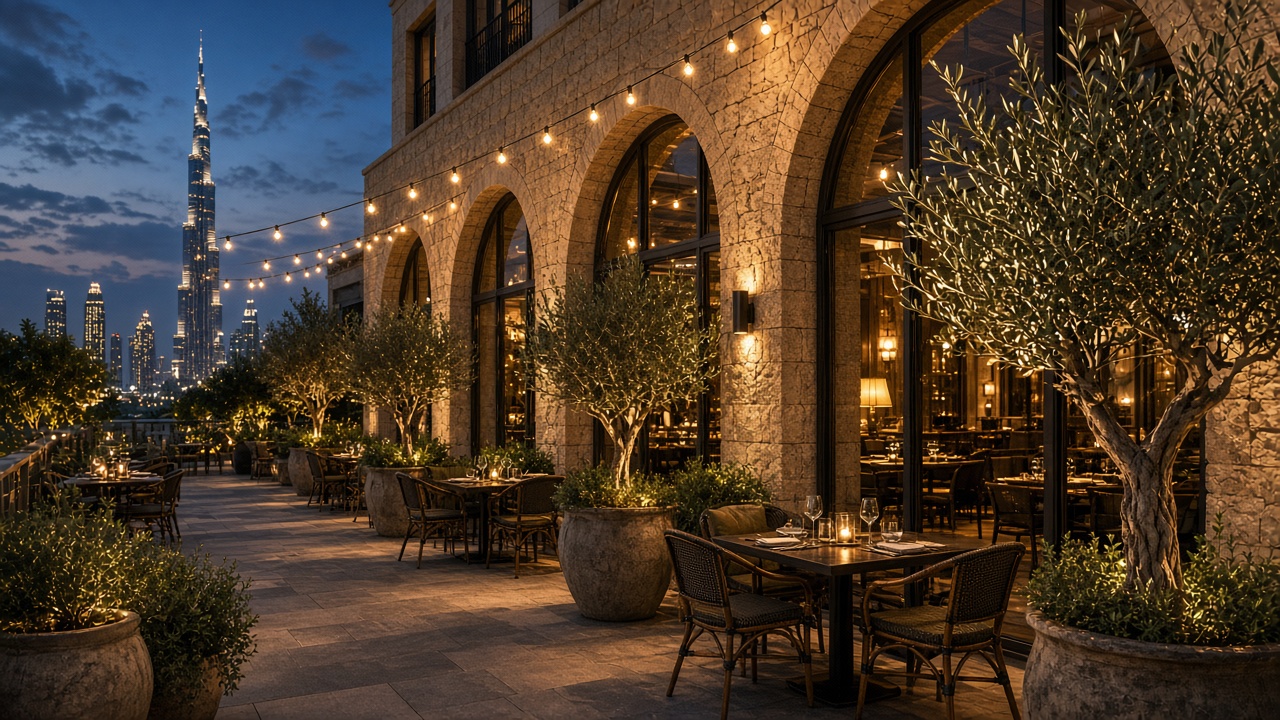
If you have already opened and sense your venue looks too much like its neighbours, you do not need to strip out the dining room. Start with what guests touch and read every day: sharpen the signature dishes on the menu, give print menus and bill presenters genuine texture, rewrite digital copy so it sounds like a real host, and make your terrace lighting and exterior entrance unmistakable from across the street.
Frequently Asked Questions
Why do so many Dubai cafés and restaurants share the same beige minimalist style?
Because tight fit-out schedules and social-media trend cycles push teams toward proven safe palettes—travertine, olive trees and curved plaster—which quickly turns a once-fresh look into a city-wide uniform.
Does standing out mean using bright or loud colours?
Not at all. Quiet, restrained brands can still be deeply memorable when their materials, typography, plating, lighting and verbal tone come from a genuine culinary story rather than a copied template.
When should a restaurant bring in a branding agency?
Ideally before interior design and menu engineering are locked, so the spatial feel, naming, visual identity and guest journey develop as one coherent story.
Build a Room Nobody Mistakes for Anywhere Else
Dubai diners have endless choice—and sharp instincts for what feels genuine versus copied. A restaurant brand rooted in its own kitchen, craft and point of view earns curiosity on opening night and loyalty long after the novelty fades.
Areesto is a Dubai-based branding and marketing agency serving F&B groups and independent hospitality founders across the UAE, Saudi Arabia and the GCC. If you want your next venue to look and sound unmistakably its own, email office@areesto.com or visit our restaurant branding in Dubai page.