
Sand, Stories and Search: Destination Branding Lessons from Dubai
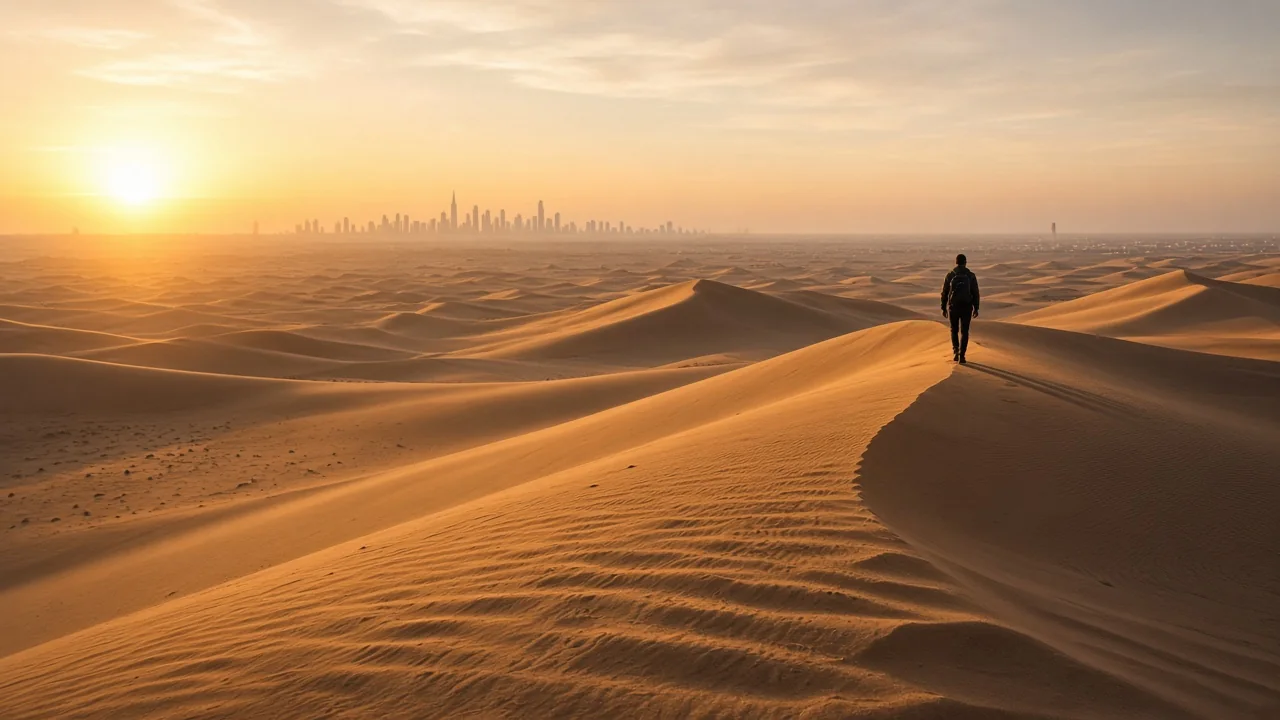
Say “Dubai” to someone who has never been, and they will picture something. Maybe the tallest tower, maybe desert dunes, maybe a shopping festival or a beach at sunset. Few cities have built such a recognisable picture in the minds of travellers in such a short time.
The short answer: Dubai’s destination branding works because it combines three things: a bold, consistent story about ambition and possibility; real local texture such as heritage, desert and food culture; and a steady supply of content that travellers can actually find when they search. Hotels, attractions and tour operators can apply the same three layers to their own brands.
Lesson 1: One story, told in many ways
Strong destination brands don’t try to say everything. They choose a central idea and express it across very different experiences. Dubai’s public image often comes back to ambition: the idea that the city makes the extraordinary feel possible, whether that is a record-breaking building, a new museum or a desert adventure.
The tourism authority, Dubai’s Department of Economy and Tourism (DET), runs campaigns that showcase very different sides of the city under a coherent identity. We looked at one example in our article on how Dubai Tourism turned brand strategy into a blockbuster.
What to borrow
Write your own central idea in one sentence. A desert camp might be about “slow nights under real stars”. A city hotel might be about “the calmest base in the busiest district”. Then check every channel: does the homepage, the Instagram grid, the OTA description and the welcome email tell the same story?
Lesson 2: Contrast is a feature
Part of Dubai’s appeal is contrast: glass towers and wind towers, desert and sea, a futuristic museum and a creek-side spice market. Visitors enjoy feeling that they can experience several worlds in one trip.
For tourism businesses, contrast creates memorable storytelling. A modern hotel near the old town can frame itself as the bridge between the two. An attraction can pair a high-energy experience with a quiet cultural moment.
Lesson 3: Local texture beats generic luxury
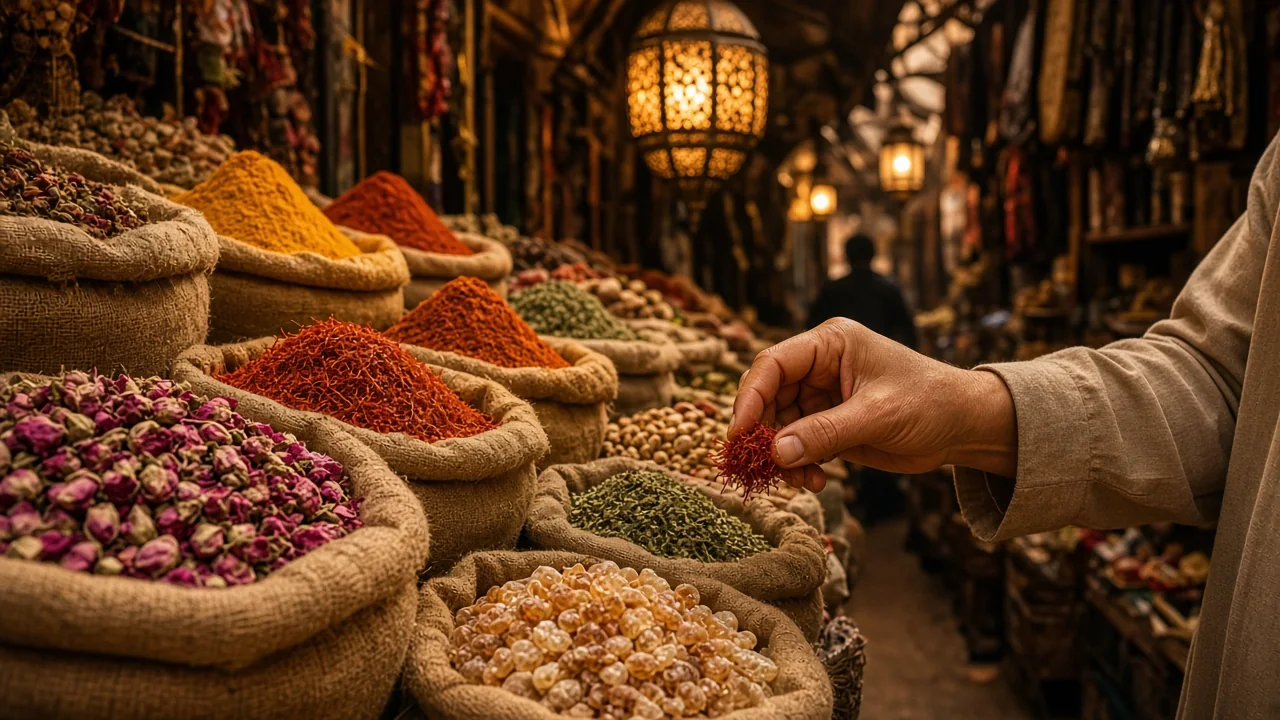
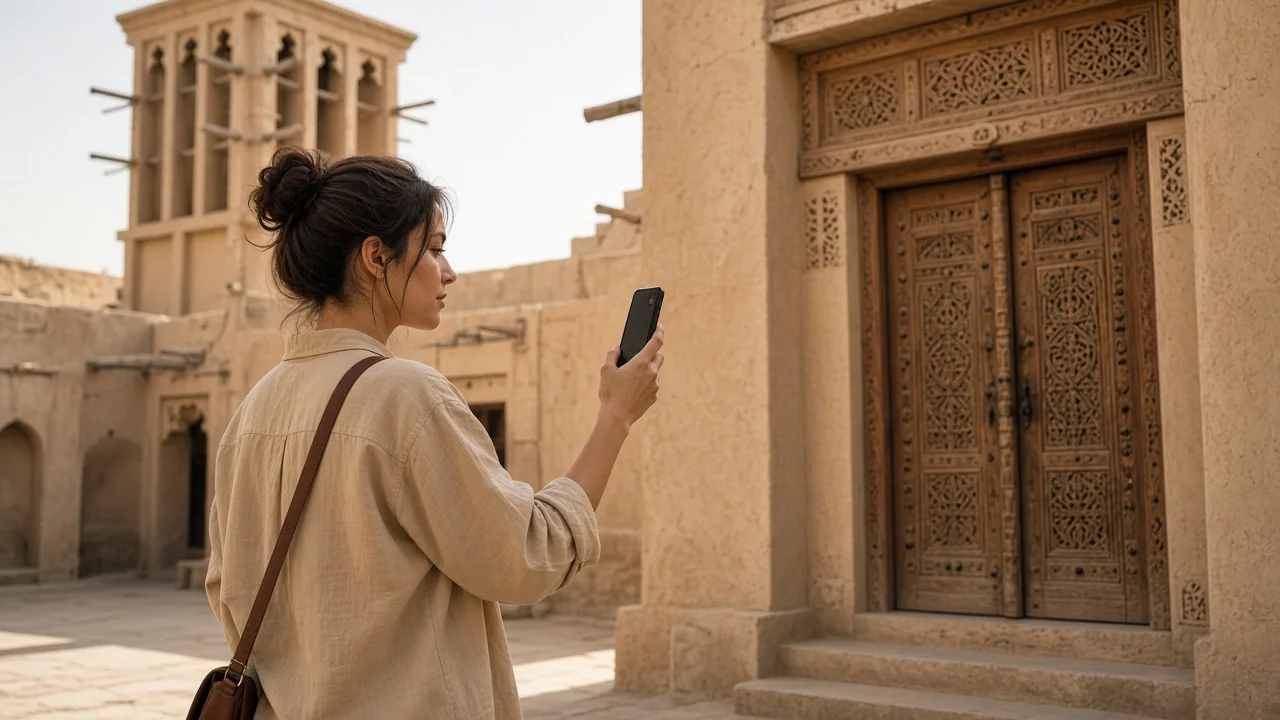
Luxury imagery alone is easy to copy. What makes a destination brand feel real is texture: the smell of a spice souk, the sound of an abra engine on the creek, the taste of Arabic coffee with dates, the pattern of a carved wooden door.
Tourism brands in Dubai often under-use this. Their visuals could be anywhere in the world. Bringing in local craft, language, food and stories, done respectfully and accurately, helps a brand stand apart and signals that it understands the place.
Practical ways to add texture
- Commission original photography of real spaces and nearby neighbourhoods instead of relying on stock images.
- Use a few well-chosen Arabic words or design references, checked by native speakers, rather than decorative clichés.
- Tell the stories of the people who work there: chefs, guides, gardeners, drivers.
- Feature seasonal moments in the UAE calendar, such as cooler winter months, Ramadan evenings and national celebrations, with care and accuracy.
Lesson 4: Be findable, not just beautiful
The third layer is search. A destination brand only works if travellers can find it while planning. Dubai’s tourism ecosystem produces a huge volume of guides, itineraries and event listings that answer real questions such as “things to do in Dubai in winter” or “Dubai with kids”.

For individual businesses, this means building content around the questions guests ask:
- What can I do near this hotel in an afternoon?
- Is this attraction suitable for young children?
- What is the best time of day to visit in summer?
- How do I get here from the airport or the metro?
Answer them clearly on your website, using headings and short paragraphs, so search engines and AI assistants can understand and quote your pages. Our SEO services in Dubai and AI search optimisation work at exactly this layer.
Lesson 5: Let visitors tell the story with you
Destinations grow through what visitors share. Dubai’s landmarks are among the most photographed places on social media, and many attractions are designed with that in mind.
Tourism businesses can encourage the same behaviour without forcing it:
- Create one or two genuinely photogenic moments, such as a view, an installation or a dish, that express your brand story.
- Make it easy to tag and share, and ask permission before reposting guests’ content.
- Feature real guest perspectives in your marketing, and keep them honest.
Lesson 6: Consistency over time
Destination brands are built over years, not campaigns. The most useful thing a hotel or attraction can learn from Dubai is to keep showing up with a clear, consistent story while refreshing the expression: new content, new seasonal offers, new partnerships.
A simple brand framework helps your team stay consistent: your central idea, three supporting themes, your visual and tone-of-voice guidelines, and a list of proof points. Our branding services in Dubai and travel and tourism marketing team help tourism businesses build exactly that.
Bringing the three layers together
| Layer | Destination level | Your business |
|---|---|---|
| Story | A clear, ambitious idea of the city | One sentence that explains why guests choose you |
| Texture | Heritage, desert, sea, food and people | Real places, people and details that are hard to copy |
| Search | Guides, itineraries and event content | Pages that answer guests’ planning questions |
If you are working on voice and personality, continue with our guide to crafting a distinct brand voice for Dubai resorts, or see how to build buzz for Dubai tourist attractions.
Frequently asked questions
What is destination branding?
Destination branding is the process of shaping how travellers see a place: its story, visual identity, experiences and reputation. Individual hotels and attractions can use the same principles to define their place within the wider destination.
Who manages Dubai’s tourism brand?
Dubai’s Department of Economy and Tourism (DET) is the government authority responsible for promoting Dubai as a destination, working alongside many private-sector partners.
How can a small tourism business use destination branding?
By connecting its own story to what travellers already love about the destination, adding genuine local texture, and publishing content that answers guests’ planning questions.
Does destination branding help SEO?
It can. A clear story and consistent themes make it easier to create focused content that matches how travellers search, which supports both traditional search and AI-generated answers.